
Old computers often sit quietly in offices, storerooms, or warehouses once they are no longer needed. For many businesses, they are seen as low priority compared to day-to-day operations. In reality, outdated computers can expose organisations to serious data protection, legal, and environmental risks. For companies searching for secure computer disposal Leeds, the key question is not if secure disposal is required, but when it becomes essential.
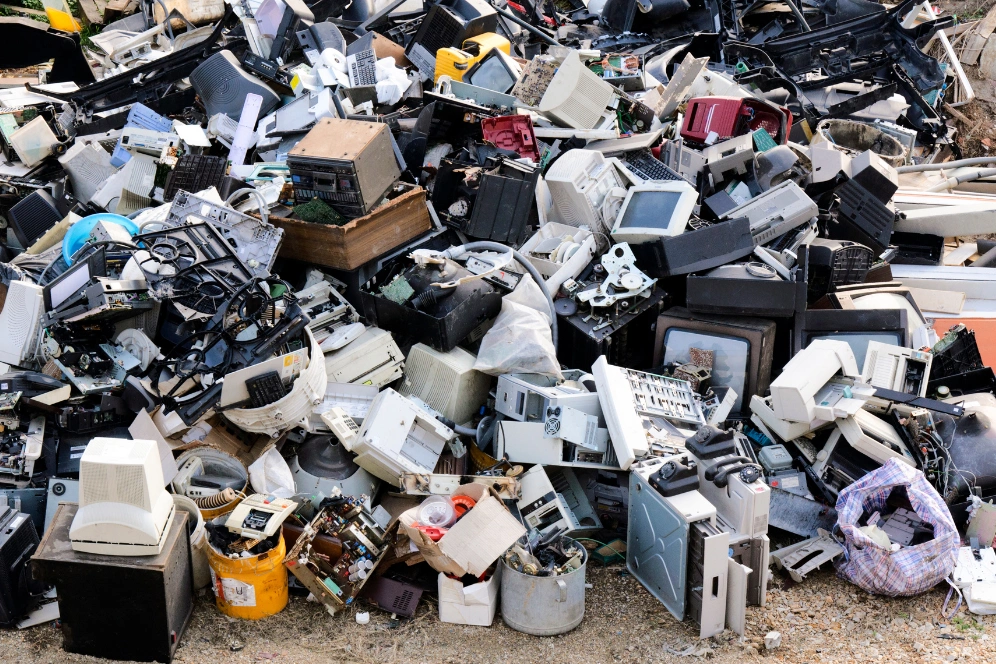
Industry research shows that electronic waste and data security risks are increasing at the same time. According to the Global E-waste Monitor, the UK generates over 1.6 million tonnes of electronic waste every year, making it one of the highest e-waste producers per person globally. Despite this, less than 31% of UK e-waste is formally recycled, meaning large volumes of discarded IT equipment remain untracked and often unmanaged. Many of these devices still contain recoverable data.
This blog explains the key situations when businesses should use a secure computer disposal service, why the risks are growing, and how working with experienced computer disposal experts Leeds protects both compliance and reputation.
Computers store far more than files. Hard drives and solid-state drives can hold personal data, financial records, customer databases, emails, system credentials, and confidential commercial information. Even when devices are old, broken, or no longer power on, data may still be accessible if it has not been securely destroyed.
The Information Commissioner’s Office has consistently stated that organisations remain responsible for personal data until it is permanently destroyed. This responsibility does not end when a computer is placed in storage or passed to a third party. If data is later recovered, the original organisation can still be held accountable.
From a financial perspective, the risks are significant. Industry studies on data breaches show that incidents involving lost or improperly disposed devices are among the most preventable. The average cost of a data breach globally now runs into millions, once fines, investigation costs, operational disruption, and reputational damage are considered. Secure disposal is therefore a core risk-management activity, not an optional extra.
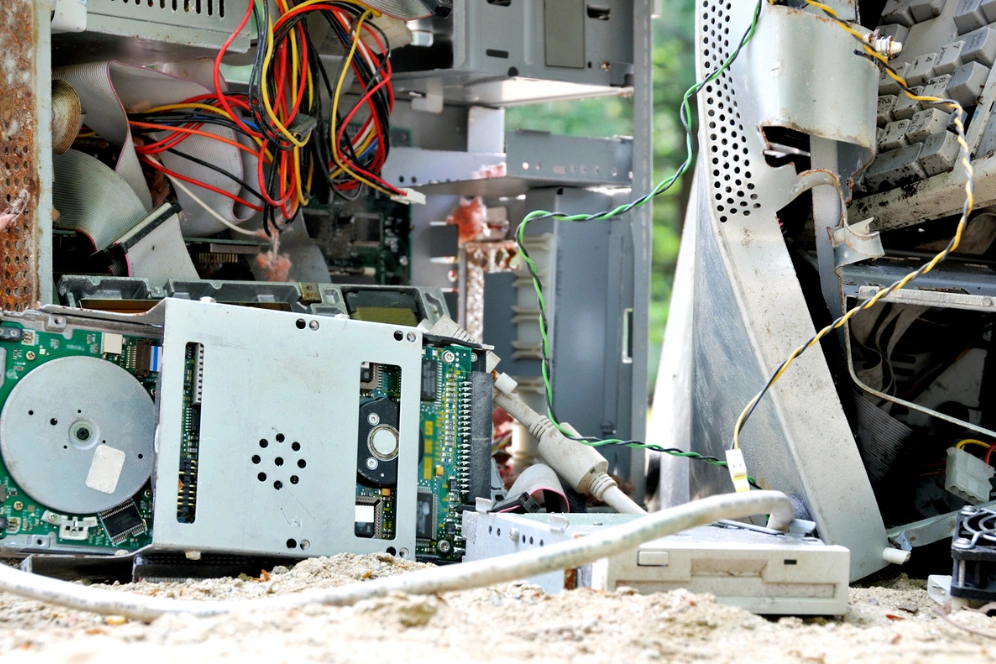
Most businesses replace computers every three to five years. While upgrades improve productivity and security, they also create large volumes of redundant equipment. Each retired computer represents a potential data exposure risk if it is not handled correctly.
This is one of the most common points when secure computer disposal Leeds becomes essential. Professional disposal services ensure that storage media is either securely wiped using certified methods or physically destroyed before recycling, preventing data leakage during refresh cycles.
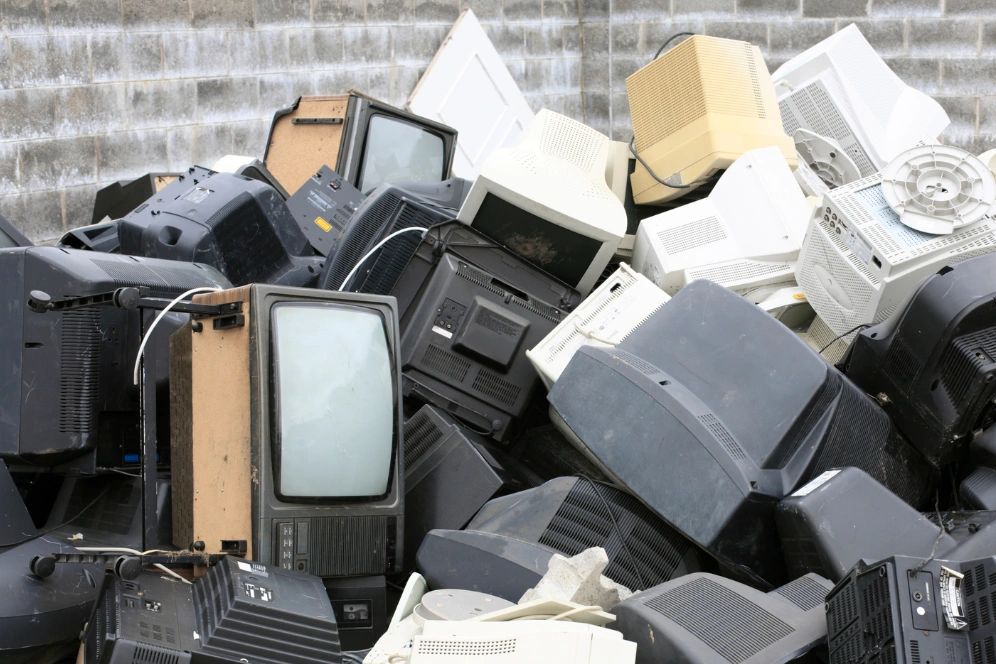
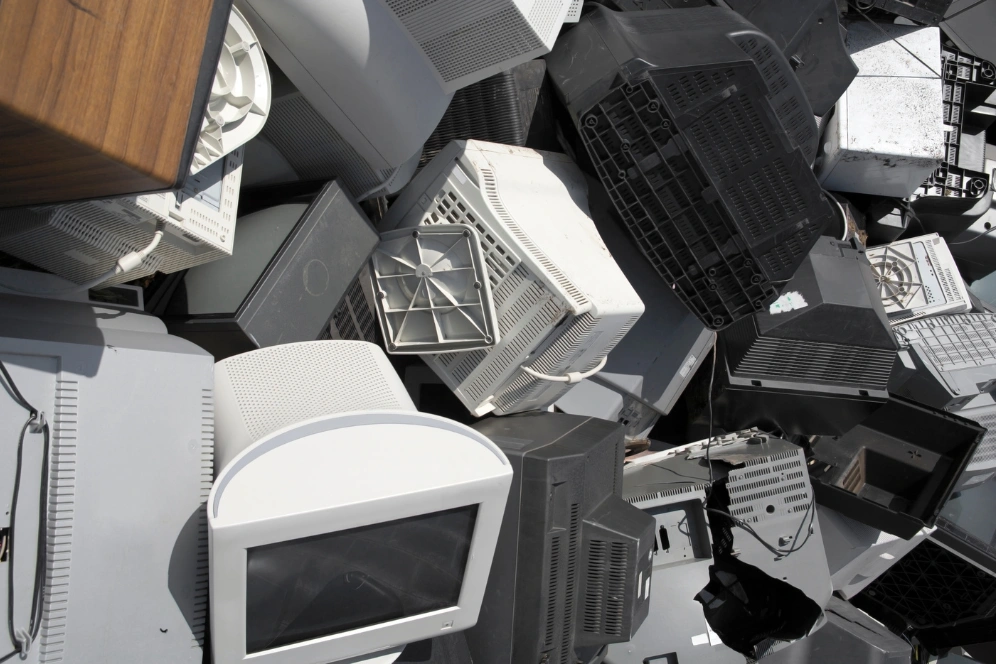
Many organisations keep old computers “just in case” or until someone has time to deal with them. Over time, these devices become unmanaged assets. They may be moved between locations, accessed by unauthorised individuals, or forgotten entirely.
Research into data incidents has repeatedly shown that devices no longer in active use are a common source of data exposure. Secure disposal removes this risk by ensuring that equipment is processed promptly and documented properly.
Any business that handles employee information, customer data, payment details, or confidential commercial material must take disposal seriously. This applies across sectors including healthcare, education, finance, legal services, logistics, manufacturing, and professional services.
Under UK GDPR, organisations must protect personal data throughout its entire lifecycle, including disposal. Failure to securely dispose of computers that previously stored personal data can constitute a GDPR breach, even if the exposure occurs long after the equipment has left the premises.
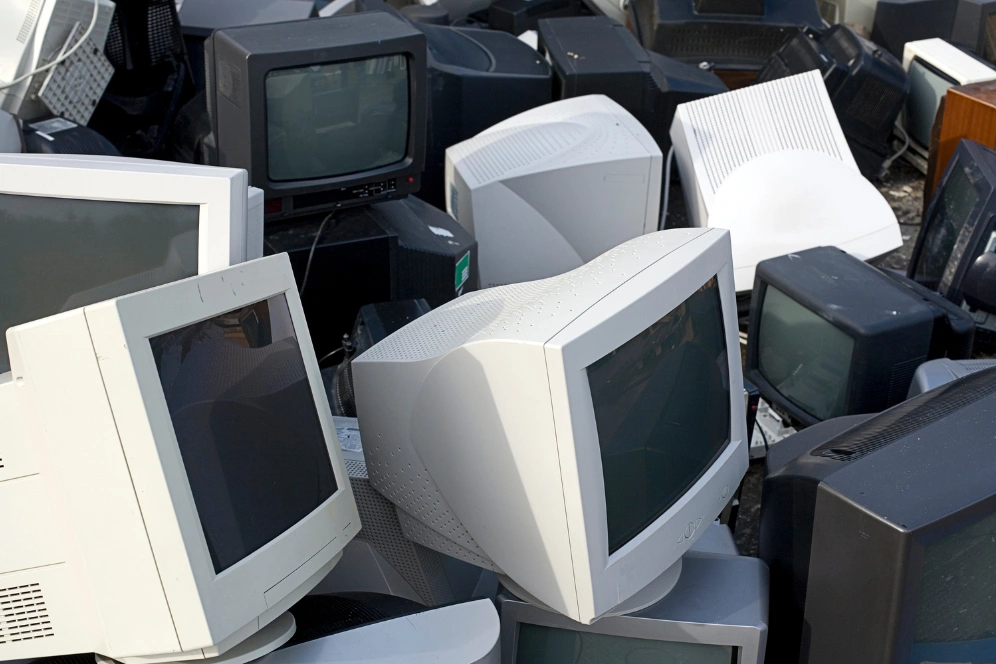
Regulatory audits and procurement checks increasingly assess how organisations manage IT asset disposal. Businesses are often asked to demonstrate not only cybersecurity measures, but also how data is destroyed at end of life.
Secure computer disposal services provide certificates of data destruction and full audit trails. These documents can be crucial when responding to audits, contract requirements, or due-diligence requests.
Office relocations, downsizing, and business closures often involve clearing out large volumes of IT equipment in a short period. Without proper planning, disposal decisions can be rushed, increasing the risk of mistakes.
Experienced computer disposal experts Leeds manage these scenarios by coordinating collections, tracking assets, and ensuring data destruction and recycling are completed in line with UK regulations. This reduces operational disruption while maintaining compliance.
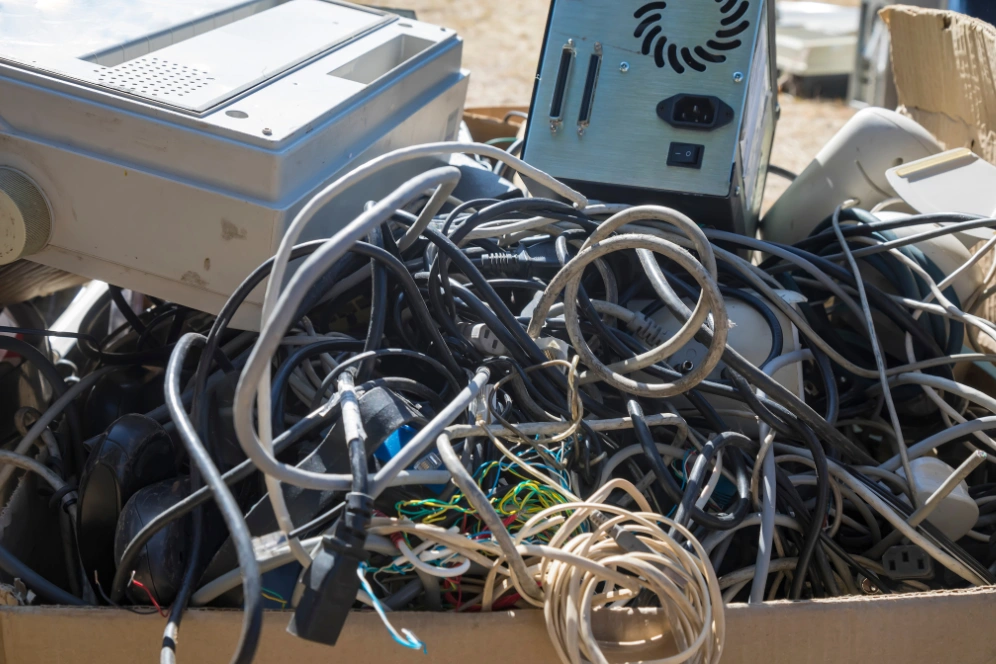
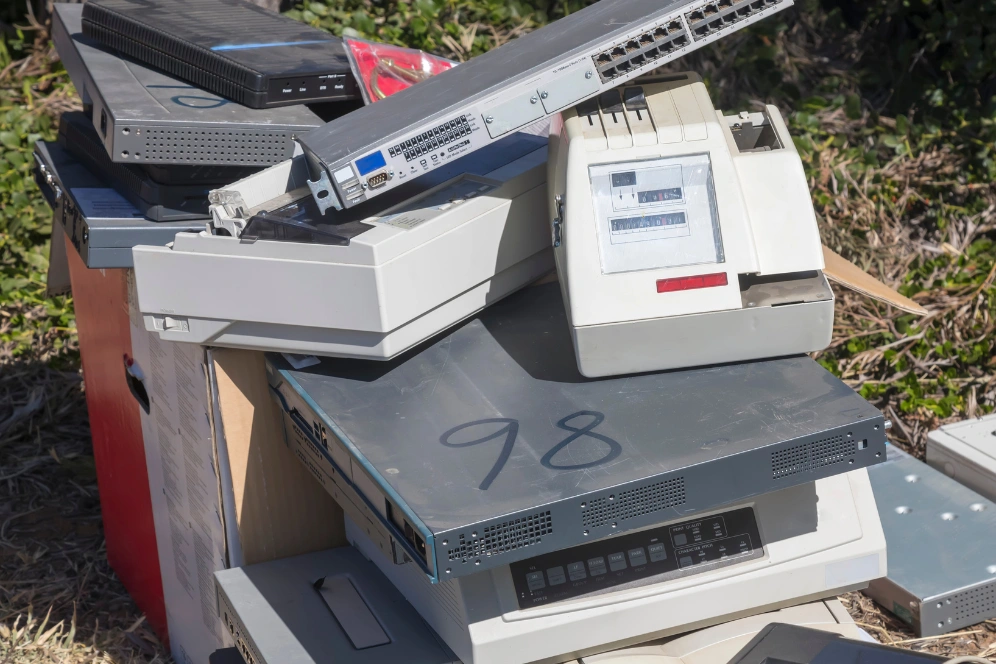
Broken computers are often assumed to be safe to discard. In reality, faulty storage devices can still contain intact data. Simply disposing of damaged equipment without secure processing can expose organisations to unnecessary risk.
Secure disposal services treat faulty devices with the same care as working equipment, ensuring that data is destroyed before recycling or dismantling takes place.
Environmental performance is now an important consideration for many businesses. Global research indicates that electronic waste contains valuable raw materials worth tens of billions of pounds each year, yet most of this value is lost due to poor recycling practices.
The Global E-waste Monitor reports that globally only around 22% of electronic waste is formally collected and recycled, with the remainder ending up in landfill or informal recycling streams. Secure computer disposal services support reuse, refurbishment, and compliant recycling, helping businesses reduce environmental impact while meeting sustainability goals.
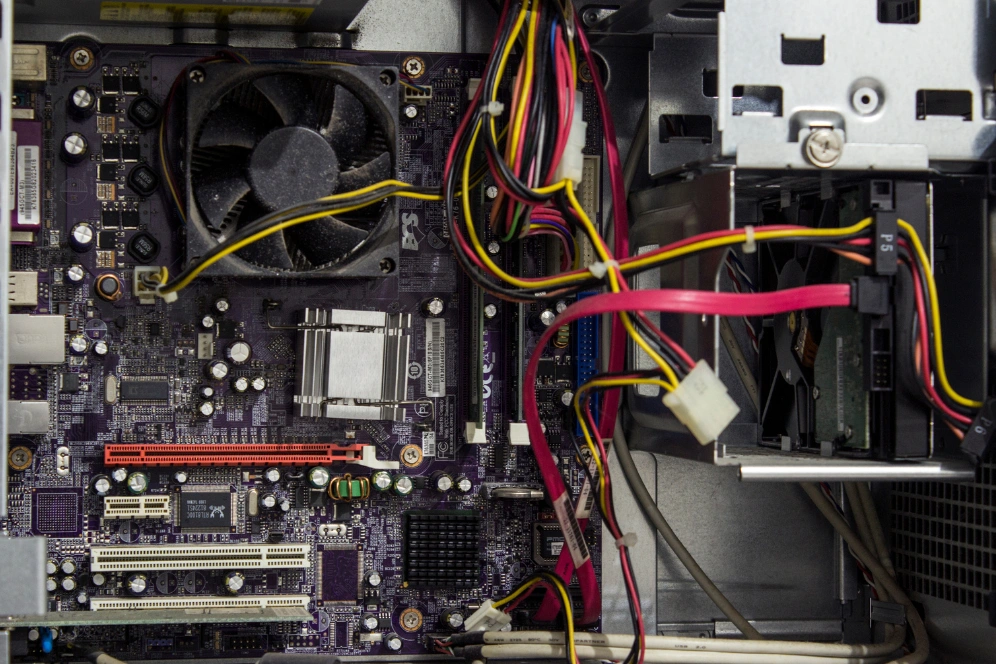
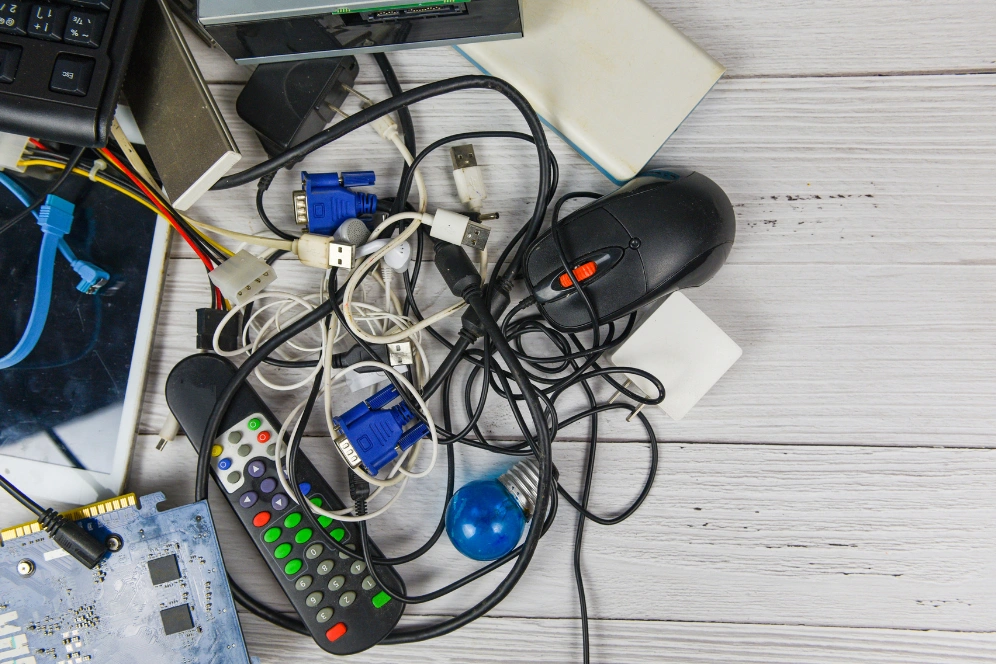
A professional secure computer disposal service follows a structured, auditable process. Equipment is identified and logged, data-bearing components are securely wiped or physically destroyed, and remaining materials are processed through approved recycling channels.
Data destruction methods typically include certified multi-pass software wiping for reusable devices and physical destruction such as shredding or degaussing for drives that cannot be reused. Importantly, businesses receive formal documentation confirming that data destruction has been completed.
This documentation is critical. The Information Commissioner’s Office advises organisations to retain evidence of secure disposal from third-party providers. Without this evidence, it can be difficult to demonstrate compliance if disposal practices are questioned.
Selecting the right provider is essential. Businesses should work with disposal experts who have proven experience, appropriate environmental registrations, and clear data destruction procedures. Transparency, traceability, and documentation should be non-negotiable.
A local provider with expertise in secure computer disposal Leeds offers additional advantages, including faster response times, local regulatory knowledge, and services tailored to regional business needs.
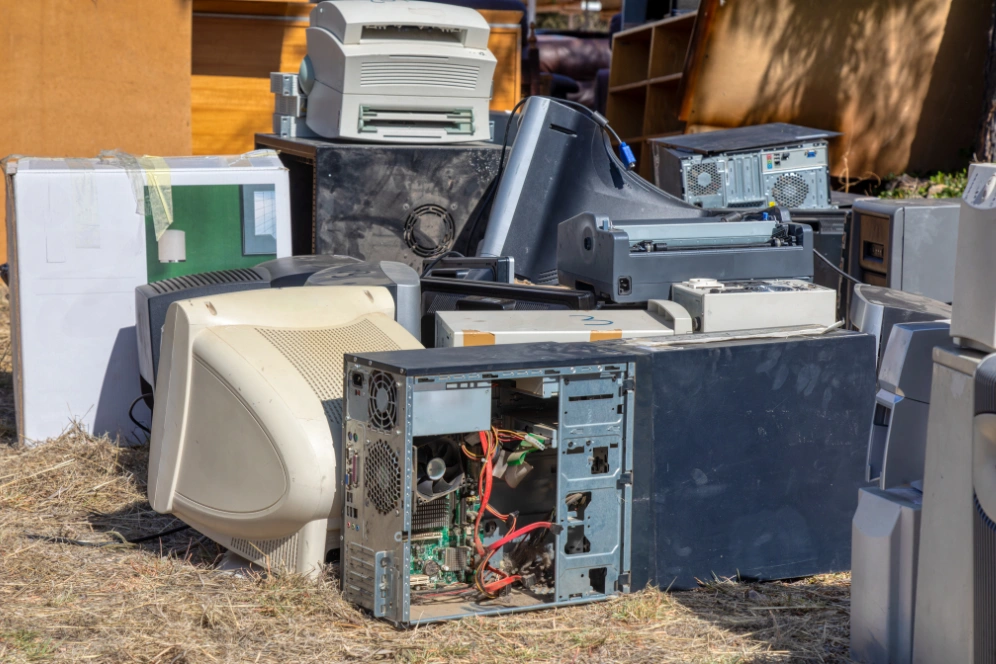
Knowing when to use a secure computer disposal service is critical for modern businesses. Whether driven by data protection requirements, regulatory compliance, operational change, or sustainability goals, secure disposal protects organisations from risks that are often underestimated.
For businesses seeking secure computer disposal Leeds, working with experienced computer disposal experts Leeds ensures sensitive data is protected, legal obligations are met, and electronic waste is managed responsibly.
This blog is based on guidance and statistics from the following trusted sources:
Secure computer disposal is the process of permanently removing data from computers and safely recycling the equipment. Guidance from the Information Commissioner’s Office confirms that organisations remain responsible for personal data until it is securely destroyed, even when devices are no longer in use.
A business needs secure computer disposal whenever computers are upgraded, replaced, stored unused, damaged, or removed during office moves or closures. Any computer that has stored personal or confidential data must be securely wiped or destroyed to remain compliant with UK data protection law.
No. Studies analysing second-hand hard drives have found that a significant percentage still contain recoverable data despite being deleted or reset. UK data protection guidance recommends certified data wiping, degaussing, or physical destruction to ensure data cannot be recovered.
The risks include data breaches, regulatory fines, legal action, reputational damage, and environmental non-compliance. Industry research shows that lost or improperly disposed devices remain a common cause of data exposure, and GDPR penalties can reach up to £17.5 million or 4% of global turnover.
Yes. UK GDPR applies to organisations of all sizes. Small and medium-sized businesses often face higher relative impact from data breaches because recovery costs and reputational damage can be harder to absorb without dedicated compliance resources.
According to the Global E-waste Monitor, the UK generates over 1.6 million tonnes of electronic waste each year and ranks among the highest e-waste producers per person globally. Less than one-third of this waste is formally recycled.
Yes. Under the WEEE Regulations, computers and other electronic equipment must be disposed of through approved recycling channels. It is illegal to place computers in general waste or skip disposal.
Businesses should receive certificates of data destruction and recycling documentation. The Information Commissioner’s Office advises organisations to retain this evidence to demonstrate compliance during audits, investigations, or contractual reviews.
Yes. Even faulty or non-working computers can retain data on hard drives or solid-state storage. Secure disposal services treat damaged equipment with the same level of care to ensure all data is destroyed before recycling.
Using experienced computer disposal experts Leeds ensures compliance with UK data protection and environmental regulations, reduces operational risk, and provides documented proof of secure disposal. Local expertise also supports faster collections and better understanding of regional compliance requirements.