
Take a look around your home. You will probably spot an old phone charger in a drawer, a broken electronic toy in a cupboard, or a forgotten smartwatch tucked away somewhere. Most people think e-waste only includes computers, televisions, and mobile phones. However, many everyday household products also fall into the category of e-waste items Leeds residents should recycle responsibly.
The issue is becoming increasingly important. According to the United Nations’ Global E-waste Monitor 2024, the world generated a record 62 million tonnes of e-waste in 2022, an increase of 82% since 2010. Yet only 22.3% was formally collected and recycled. Experts predict global e-waste could reach 82 million tonnes by 2030 if current trends continue.
Many of these discarded electronics contain valuable materials such as copper, aluminium, silver, and gold. When thrown into general waste bins, these resources are lost while potentially harmful substances can enter the environment. This is why understanding which items qualify as e-waste is essential for households across Leeds.
A simple rule applies: if an item contains a plug, battery, cable, or electronic circuit, it is usually considered electronic waste and should be handled through proper recycling channels. The WEEE Forum regularly highlights that many “invisible” electronics are overlooked because people do not recognise them as e-waste.
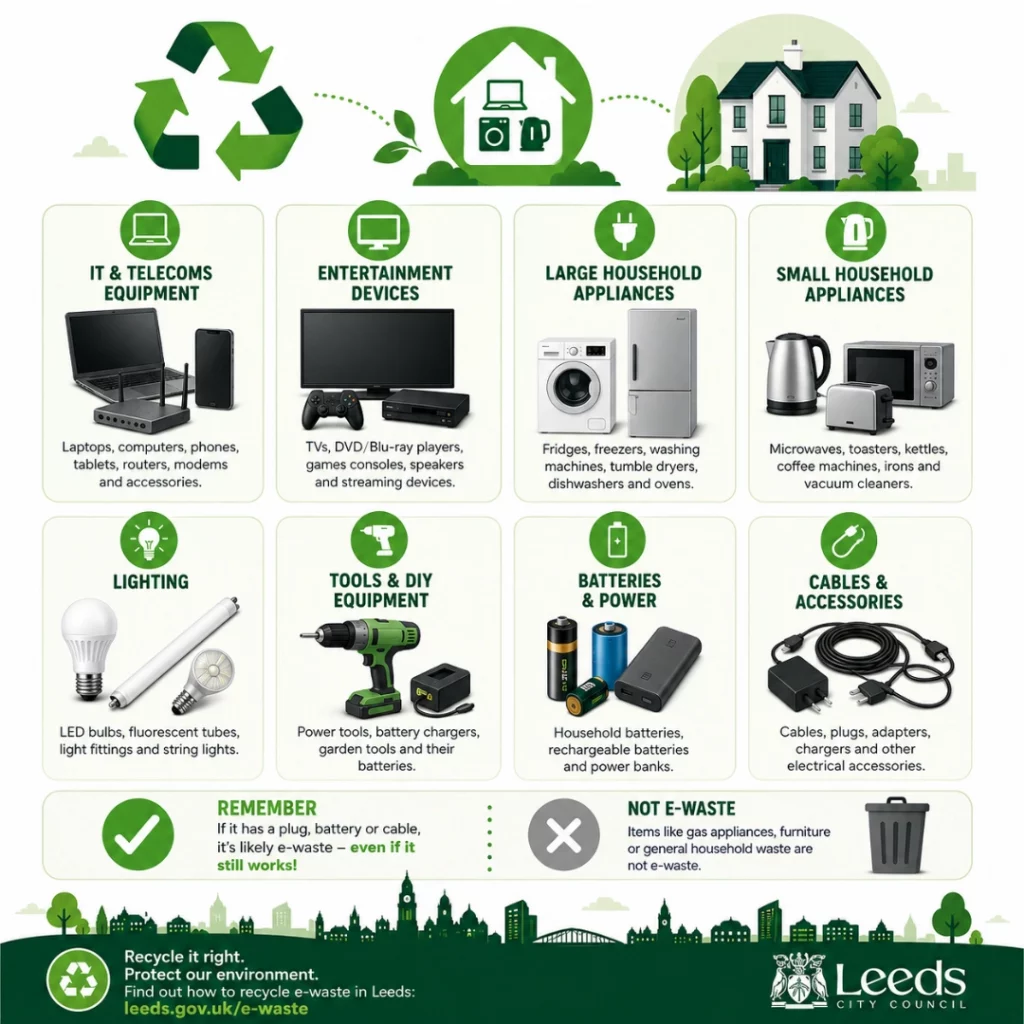
One of the most common hidden e-waste items is the collection of unused chargers and cables sitting in drawers.
The WEEE Forum identifies cables, USB devices, and charging accessories among the most frequently hoarded electronic products in homes worldwide. These items contain copper and plastic materials that can be recovered through recycling.
Many Leeds households keep old chargers long after replacing phones, creating unnecessary clutter while valuable resources remain unused.
Based on WEEE Forum findings on hidden household electronics
An electric toothbrush may look like a bathroom item rather than an electronic device, but it contains batteries, motors, and electronic components.
When these products stop working, they should never be placed in standard household waste. Proper recycling helps recover plastics and metals while ensuring batteries are processed safely.
Children’s toys are among the most overlooked sources of e-waste.
From talking dolls to remote-controlled cars and educational tablets, millions of electronic toys are discarded every year. The WEEE Forum estimates that billions of electronic toys become waste annually, many containing recyclable materials and batteries.
Technology has expanded far beyond computers and phones.
Fitness trackers and smart watches contain lithium-ion batteries, sensors, circuit boards, and valuable metals. As newer models enter the market, older devices often end up forgotten in drawers rather than recycled properly.
These small gadgets contribute significantly to growing e-waste volumes because consumers frequently upgrade wearable technology.
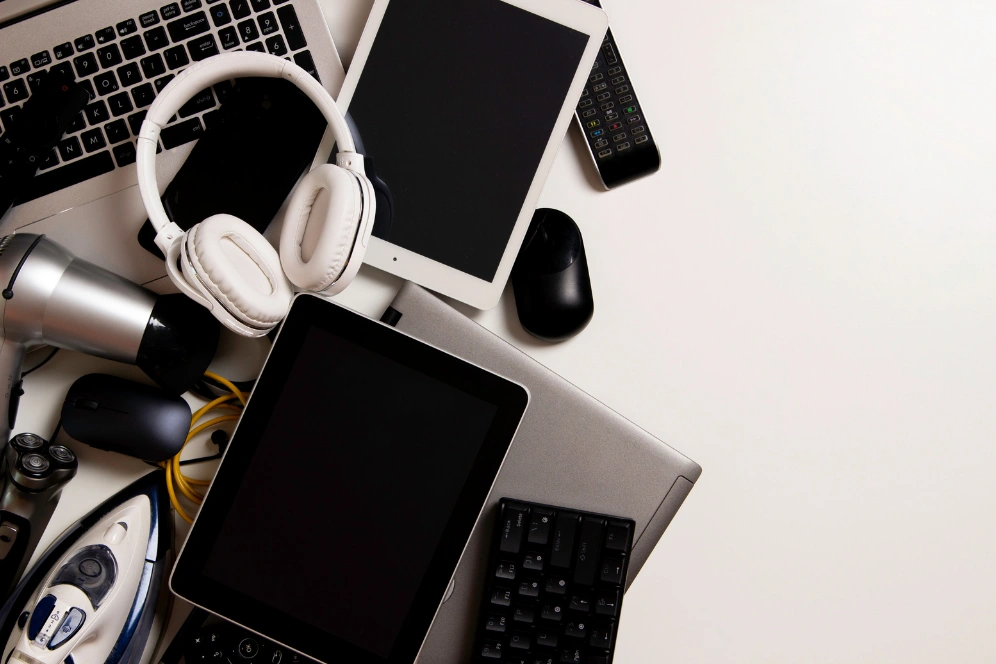
Wireless audio devices have become incredibly popular in recent years.
Unfortunately, their compact design often makes repair difficult. Once batteries fail, many people simply replace them.
The United Nations has highlighted shorter product lifecycles and increased electronics consumption as major contributors to rising e-waste generation worldwide.
Although smartphones have replaced many cameras, countless digital cameras remain stored in lofts, cupboards, and drawers.
These devices contain circuit boards, batteries, lenses, and precious metals that can be recovered through recycling.
Many Leeds homeowners do not realise that even non-working cameras should enter approved e-waste disposal Leeds streams instead of general waste collections.
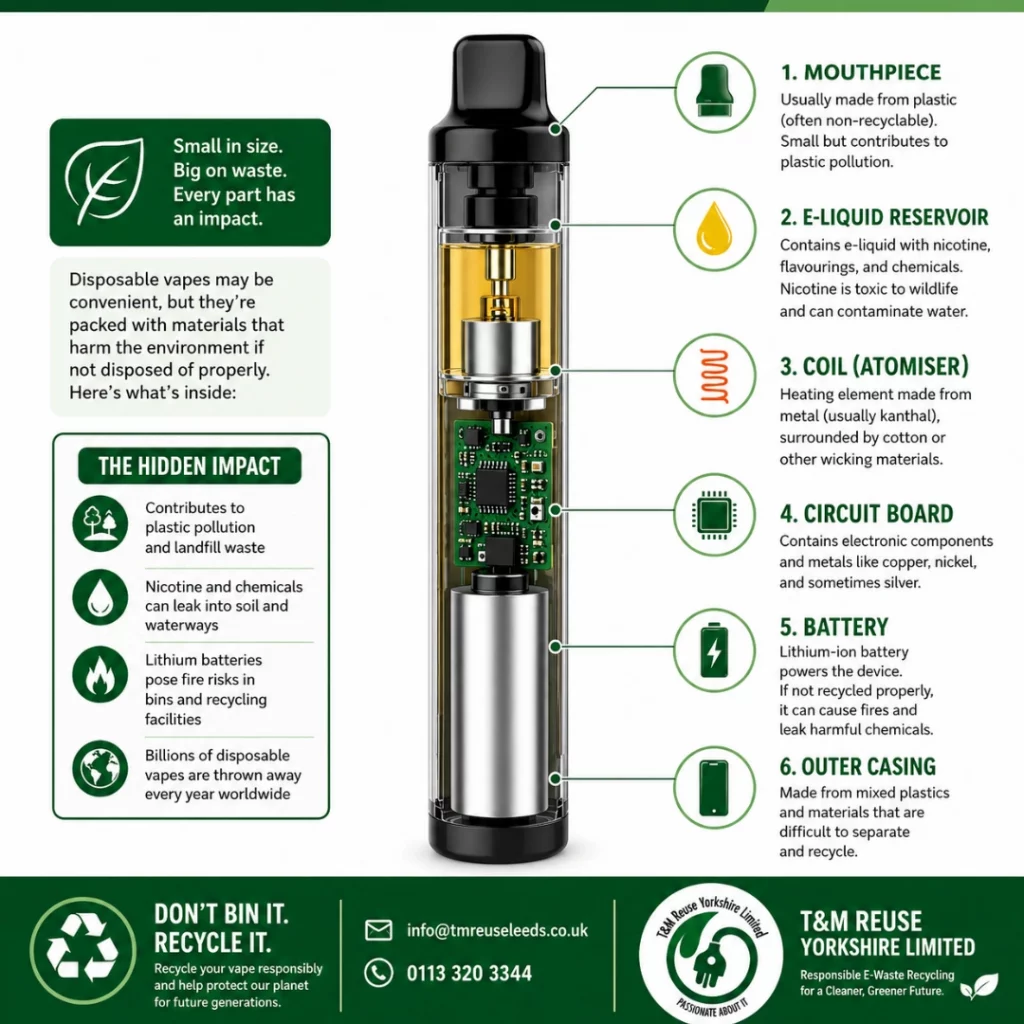
Disposable vapes have become a growing concern within the recycling sector.
Many users fail to recognise that these products contain batteries, electronic circuits, and plastics. The WEEE Forum specifically identifies vapes among the categories contributing to invisible e-waste.
Improper disposal increases environmental risks while wasting recoverable materials.
Smart speakers, smart plugs, security cameras, and connected thermostats are increasingly common in modern homes.
These devices often remain installed long after upgrades are available. Once replaced, many end up stored indefinitely rather than recycled.
Environmental agencies stress that any product containing a battery, plug, or cable should be considered electronic waste at the end of its life.
Small kitchen appliances frequently go unnoticed during household clear-outs.
Examples include:
Industry research shows small household appliances represent a major contributor to electronic waste by weight.
These products contain motors, wiring, plastics, and metals that can often be recovered and reused.
Remote controls are found in nearly every household, yet many people do not consider them electronic devices.
Whether used for televisions, sound systems, fans, or streaming devices, remote controls contain circuit boards, plastics, and batteries.
When old remotes stop working, they should be recycled alongside other electronic products instead of being discarded with regular rubbish.
Proper e-waste disposal Leeds services help reduce landfill pressure while supporting the recovery of valuable resources.
According to the Global E-waste Monitor 2024, approximately US$62 billion worth of recoverable materials are lost annually due to inadequate recycling practices. Valuable metals, rare earth elements, and plastics often end up wasted when electronics are disposed of incorrectly.
The World Health Organization also highlights that improperly managed e-waste can release hazardous substances such as lead, mercury, and cadmium into the environment.
For Leeds households, identifying hidden electronics before a house clearance, renovation, or decluttering project can make a significant difference.
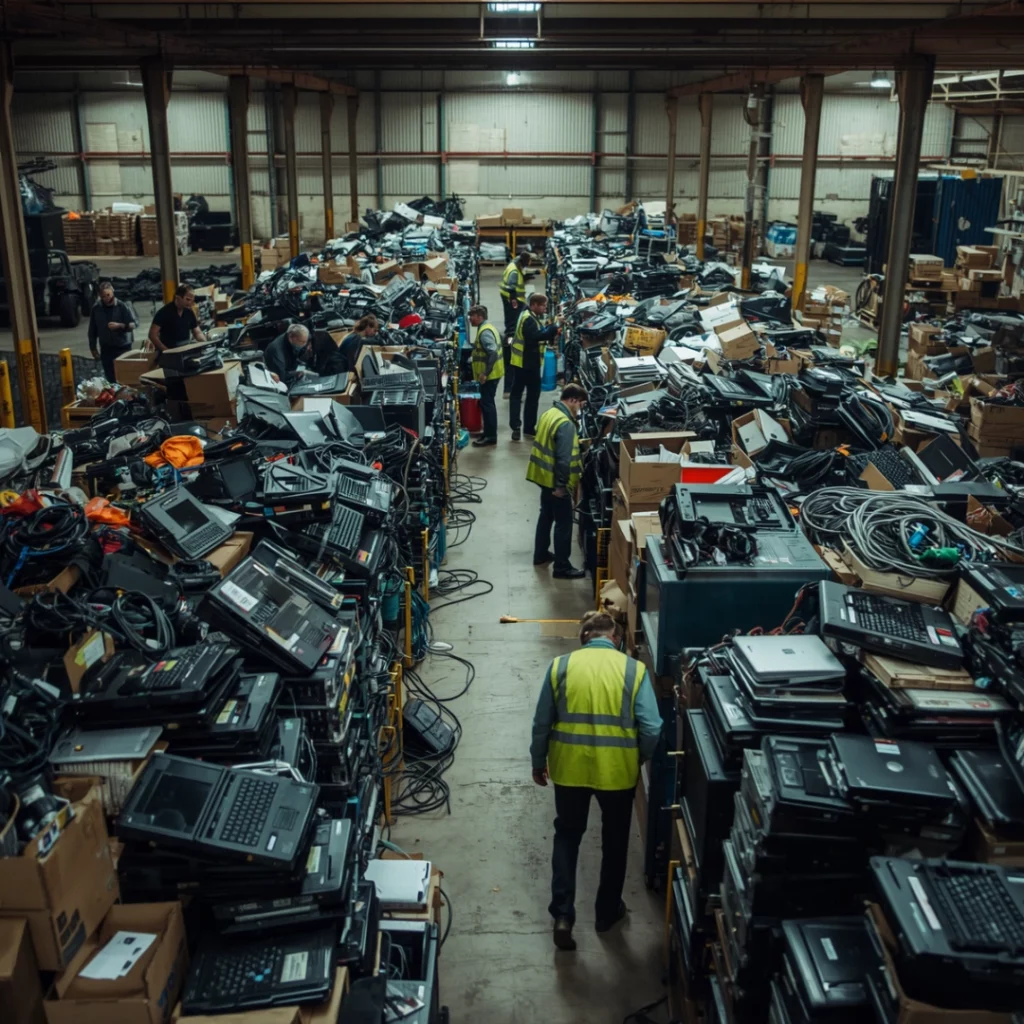
Before disposing of household items, ask yourself three simple questions:
If yes, it is likely electronic waste.
Many products appear non-electronic but contain rechargeable or disposable batteries.
Smart devices, toys, wearables, and accessories all fall into this category.
Following these checks can help uncover surprising amounts of e-waste items Leeds homeowners may otherwise overlook.
Take a quick look through your kitchen drawers, bedroom cupboards, garage shelves, and loft storage spaces. You may be surprised by how many forgotten chargers, gadgets, toys, and electronic accessories are waiting to be recycled. Which of these hidden e-waste items did you discover in your Leeds home today?
Common e-waste items in Leeds homes include old phone chargers, USB cables, electronic toys, smart watches, wireless earbuds, digital cameras, remote controls, small kitchen appliances, smart home devices, and electric toothbrushes. Many people overlook these items because they are small or stored away in drawers and cupboards.
Recycling e-waste helps recover valuable materials such as copper, aluminium, and precious metals while preventing harmful substances from entering landfill sites. Proper recycling also supports environmental sustainability and reduces the demand for raw material extraction.
No. Electronic items should never be placed in general household waste bins. Many electronic products contain batteries, circuit boards, and components that require specialist recycling through approved e-waste disposal services.
Any item that contains a plug, battery, power cable, electronic circuit, or digital component is generally considered e-waste. This includes devices such as mobile phones, chargers, headphones, smart devices, and small household appliances.
Yes. Chargers, USB cables, extension leads, and other electrical accessories are classified as e-waste because they contain metals, plastics, and electronic components that can be recycled and reused.
Electronic toys should be recycled through an authorised e-waste disposal service rather than thrown into general waste. Many toys contain batteries, wiring, and circuit boards that can be recovered and processed safely.
Broken smart speakers, smart plugs, security cameras, and other connected devices should be recycled as electronic waste. These products contain valuable materials and electronic components that should not end up in landfill.
Yes. Disposable vapes contain batteries, plastics, metals, and electronic circuitry. They should be recycled through designated collection points or specialist recycling services.
Absolutely. Appliances such as kettles, coffee machines, blenders, air fryers, and food processors contain electrical components and recyclable materials that make them suitable for e-waste recycling.
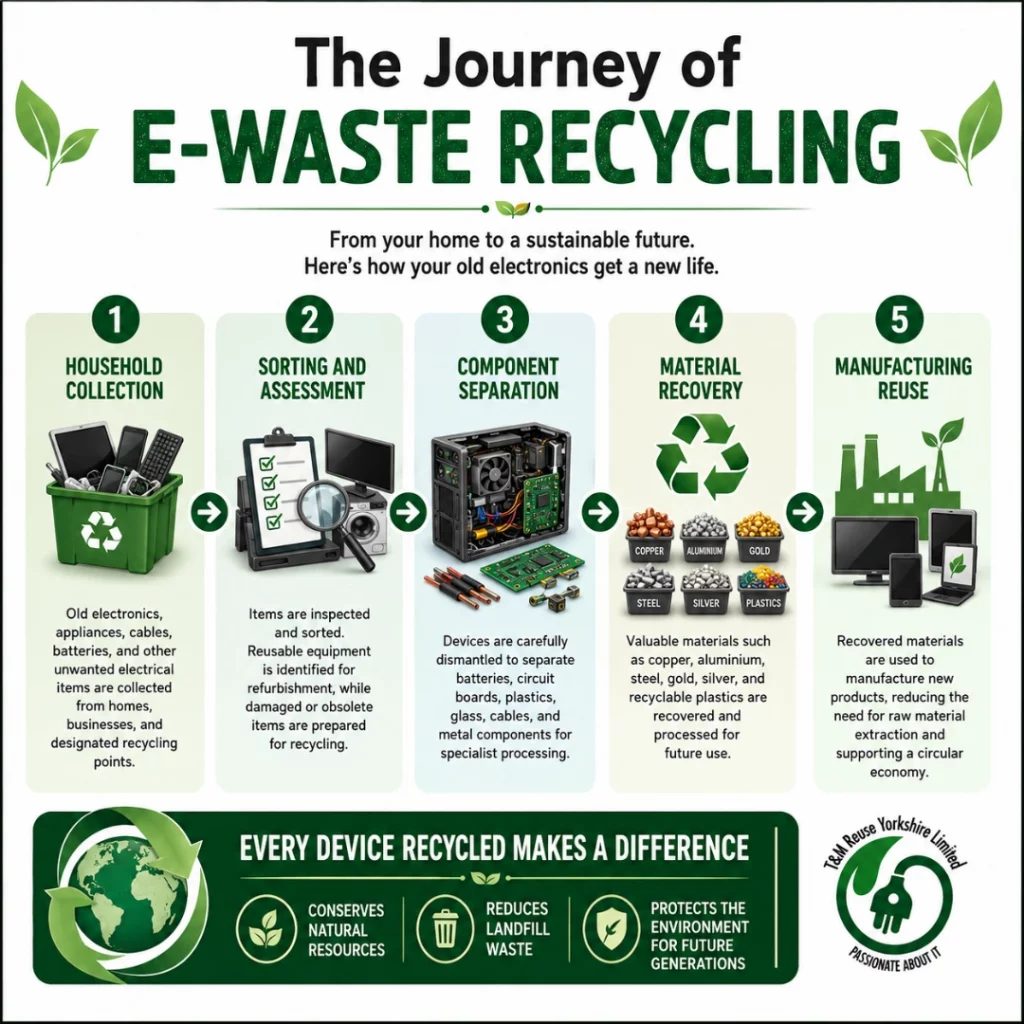
Collected e-waste is sorted, dismantled, and processed at specialist recycling facilities. Valuable materials such as metals, plastics, and electronic components are recovered and reused in the manufacturing of new products.
Professional e-waste disposal services can help households and businesses safely collect, recycle, and dispose of unwanted electronics while ensuring compliance with environmental regulations and reducing landfill waste.