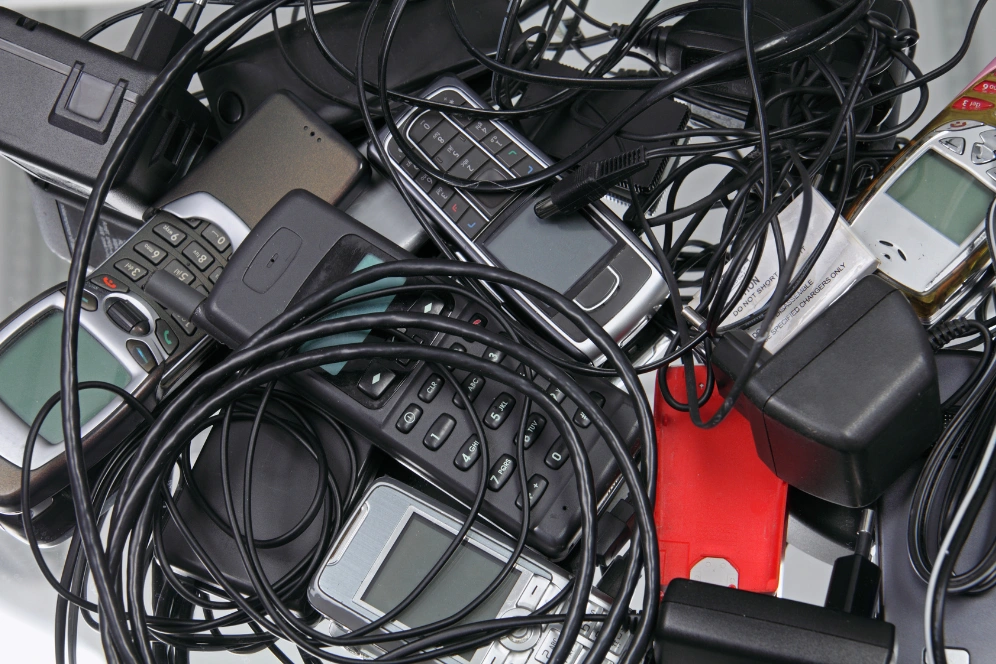
From laptops and servers to smartphones and hard drives, modern businesses rely heavily on digital infrastructure. However, when these devices reach the end of their lifecycle, they can become a serious cybersecurity liability. Improper handling of outdated IT equipment often leads to data leaks, regulatory penalties, and reputational damage.
For organisations across West Yorkshire, secure IT recycling Leeds is no longer just an environmental responsibility—it is a critical part of cyber risk management. When handled correctly, secure disposal protects sensitive data, ensures legal compliance, and strengthens business resilience.
In this blog, we explore how professional IT recycling reduces cybersecurity risks, supported by trusted industry data and expert sources.
Many businesses assume that deleting files or formatting devices removes all data. In reality, most storage media still contains recoverable information.
According to Blancco Technology Group’s Data Sanitization Report, over 35% of second-hand hard drives tested globally still contain recoverable corporate or personal data.
This means that without secure IT recycling in Leeds, discarded devices may expose:
Even a single compromised device can lead to serious financial and legal consequences.
Cybercrime continues to rise across the UK. IBM’s Cost of a Data Breach Report 2023 found that:
These figures highlight why working with a certified secure IT disposal company Leeds is essential for modern organisations.
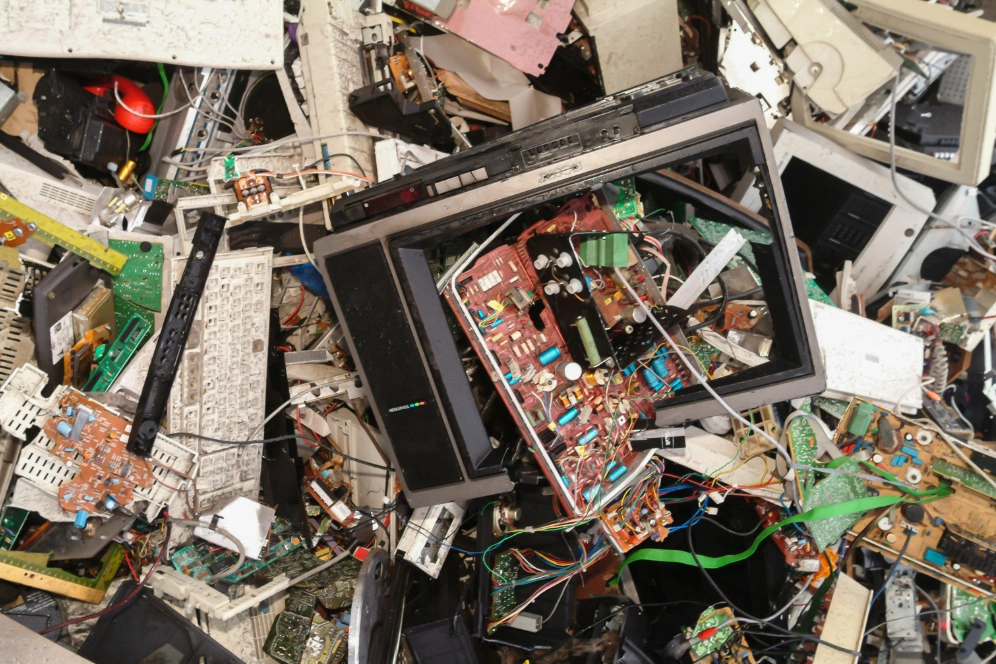

Under UK GDPR and the Data Protection Act 2018, businesses must ensure personal data is processed and destroyed securely.
The Information Commissioner’s Office confirms that organisations remain responsible for data even after devices are disposed of. Failure to comply can result in fines of up to £17.5 million or 4% of annual turnover, whichever is higher.
Secure IT recycling Leeds services help organisations demonstrate compliance through documented data destruction.
Electronic waste is regulated under the WEEE Regulations, overseen by the Department for Environment, Food & Rural Affairs and enforced by the Environment Agency.
Improper disposal can lead to:
Using an accredited secure IT disposal company Leeds ensures full regulatory compliance.
Secure IT recycling is a structured approach that combines data security with environmental responsibility. It typically includes:
According to industry estimates from WRAP, compliant IT recycling facilities can recover up to 90–95% of device materials while ensuring total data protection.
Standard Disposal | Secure IT Recycling |
Basic recycling | Certified data erasure |
No audit trail | Full documentation |
High breach risk | Minimal cyber risk |
Limited compliance | Regulatory compliance |
Choosing secure IT recycling Leeds significantly reduces exposure to cyber threats.
Professional recyclers use internationally recognised standards such as:
These methods ensure data is permanently removed or physically destroyed.
Blancco reports that certified erasure reduces the risk of data recovery by over 99.9%, making breaches virtually impossible.
A major risk during disposal is unauthorised access during transport or storage.
Reputable secure IT disposal company Leeds providers use:
This minimises the risk of device theft or tampering.
The UK National Cyber Security Centre estimates that over 20% of breaches involve internal actors or accidental data exposure.
By outsourcing to professional secure IT recycling Leeds services, organisations reduce human error and internal misuse during disposal.
Discarded IT equipment is a common source of identity theft. According to CIFAS, a UK fraud prevention service, identity fraud costs businesses over £1.3 billion annually.
Secure destruction of storage media helps eliminate this threat at its source.
Data breaches often trigger multiple costs:
WRAP estimates that businesses with strong data and waste management practices reduce risk-related costs by 15–25% annually.
Investing in secure IT recycling Leeds is therefore a cost-saving strategy, not just a compliance measure.
Many cyber insurance providers now require proof of secure data disposal. Companies that use certified recyclers often benefit from:
This strengthens long-term business sustainability.
The National Cyber Security Centre emphasises that secure hardware disposal is a key element of cyber resilience.
Its guidance notes that improper device disposal remains one of the most overlooked causes of corporate data leaks.
By adopting secure IT recycling in Leeds, businesses align with national cybersecurity best practices.
As a trusted local recycler, T&M Reuse Yorkshire Limited contributes to cyber safety and environmental responsibility by:
Working with a local secure IT disposal company Leeds strengthens accountability and service reliability.
Identify all devices scheduled for replacement or disposal.
Prioritise equipment containing customer, financial, or employee information.
Select a secure IT recycling Leeds company with recognised certifications.
Obtain certificates of data erasure or destruction.
Store compliance documentation for audits and inspections.
These steps significantly reduce cyber and regulatory risks.

For a medium-sized business in Leeds, secure IT recycling can deliver:
Industry research from Gartner and the International Telecommunication Union predicts:
Leeds businesses that adopt secure IT recycling early will remain ahead of compliance and security challenges.