
Old mobile phones are one of the most common forms of unused electronic waste in UK businesses. As companies upgrade devices for security, performance, or remote working needs, large numbers of smartphones are left sitting in drawers, cupboards, or IT storage rooms. While holding onto these devices may seem harmless, it quietly creates data security risks, compliance obligations, and unnecessary administrative work.
For organisations looking into free mobile phone recycling, the appeal is not just cost savings. It is about reducing time spent managing old devices, avoiding complex disposal decisions, and ensuring compliance without adding pressure to internal teams. Across West Yorkshire, more businesses are now turning to professional phone recycling companies because free recycling removes friction from what was once a slow and uncertain process.
This blog explains how free mobile phone recycling saves time and effort for B2B organisations, supported by trusted data, UK regulatory guidance, and industry research.
Mobile phones are replaced frequently in business environments. Industry research shows that the average smartphone lifecycle in the UK is between three and four years, with many organisations replacing devices even sooner due to security updates and software compatibility requirements.
According to the Global E-waste Monitor, the UK generates over 1.6 million tonnes of electronic waste each year, ranking among the highest e-waste producers per person globally. Mobile phones contribute significantly to this figure despite their small size. Globally, more than 5 billion mobile phones are estimated to be sitting unused, many of which are no longer supported or secure.
Despite this volume, recycling rates remain low. Fewer than one in five mobile phones are formally recycled, meaning most unused devices are either stored indefinitely or disposed of through informal and non-compliant routes. For businesses, this creates growing stockpiles of devices that still contain data and require management.
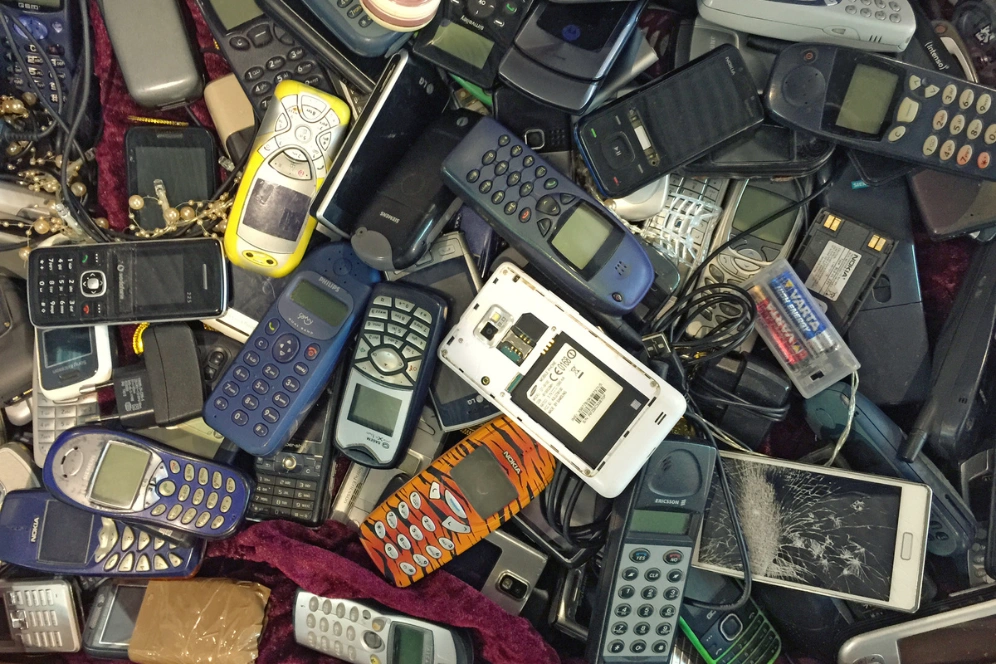

Disposing of old phones internally can be surprisingly time-consuming. IT teams or office managers are often tasked with identifying devices, arranging storage, researching disposal options, ensuring data is removed, and organising transport. Each step introduces delays and uncertainty.
Data protection requirements add further complexity. The UK Information Commissioner’s Office makes it clear that organisations remain responsible for personal data until it is permanently destroyed. This means businesses cannot simply hand phones to staff, sell them informally, or place them into general waste without risk.
Free mobile phone recycling removes these steps entirely by offering a single, managed process from collection through to secure destruction and recycling.
Free mobile phone recycling services are designed to remove barriers to compliant disposal. For businesses in West Yorkshire, the process typically starts with a scheduled collection or drop-off arranged by a professional recycling provider.
Once collected, devices are logged, and data-bearing components are securely wiped or physically destroyed using certified methods. Only after data destruction is confirmed are devices prepared for reuse, refurbishment, or material recovery. Businesses then receive documentation confirming that recycling and data destruction have been completed.
This end-to-end approach saves time by eliminating the need for internal coordination, manual tracking, or third-party verification.
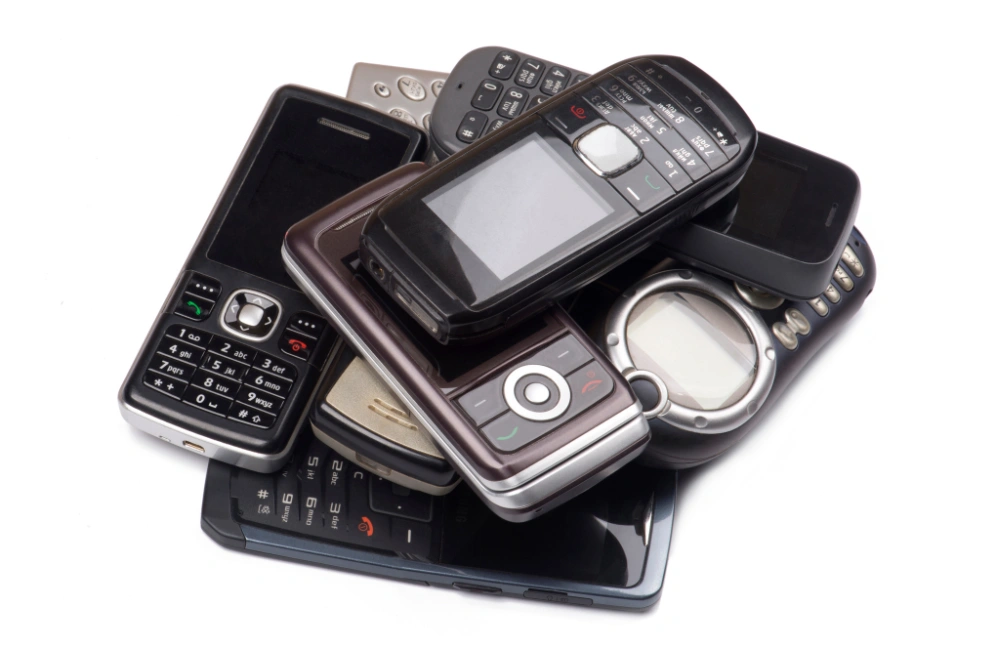
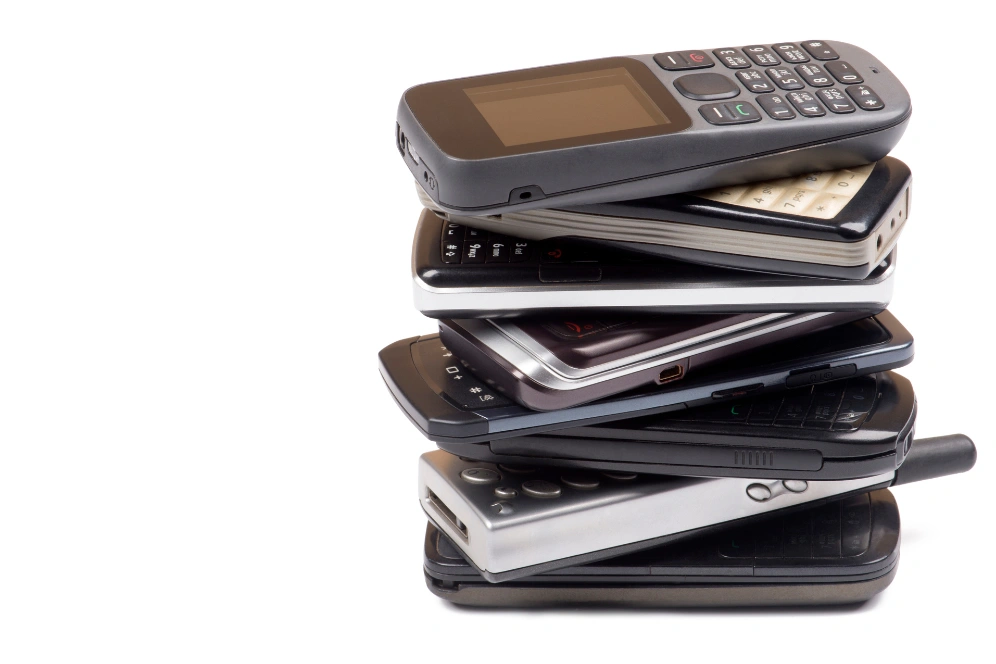
One of the biggest advantages of free recycling is centralised collection. Instead of staff transporting phones to multiple locations or waiting for council drop-off windows, professional recyclers collect devices directly from offices or designated sites.
This is particularly valuable for organisations with multiple locations or regular device refresh cycles. A single collection replaces multiple internal tasks, freeing up staff to focus on core responsibilities rather than waste management.
Without professional recycling, businesses often spend time documenting disposal actions manually. This includes maintaining spreadsheets, recording serial numbers, and storing incomplete records that may not meet audit requirements.
Free mobile phone recycling services streamline this process by providing formal documentation such as certificates of data destruction and recycling reports. These documents reduce administrative burden while supporting compliance with UK GDPR and WEEE Regulations.
The Information Commissioner’s Office recommends retaining evidence of secure disposal from third-party providers. Free recycling services meet this requirement without additional paperwork for internal teams.
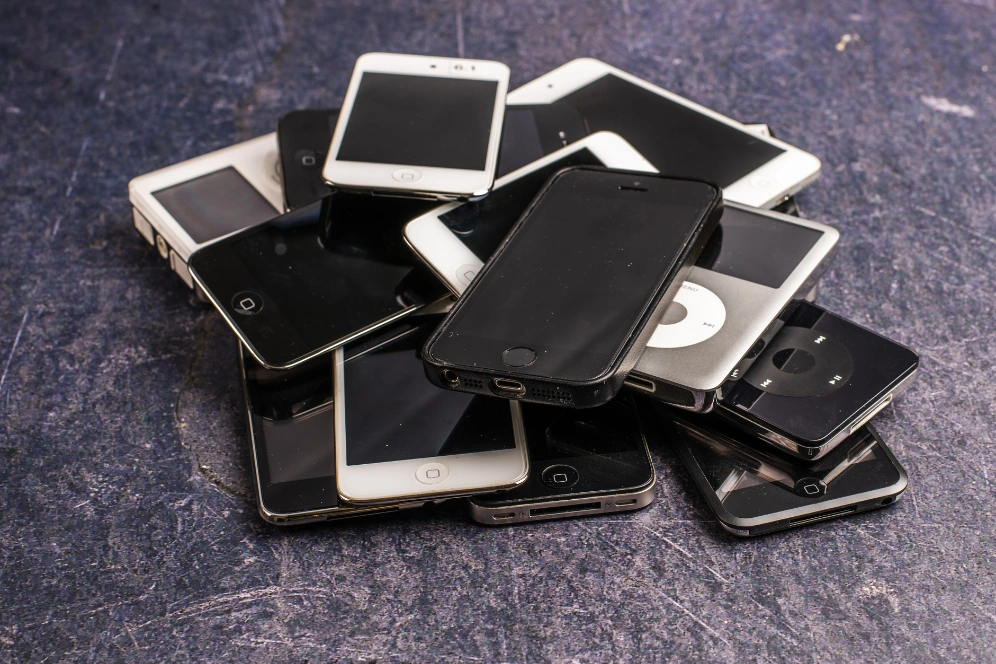
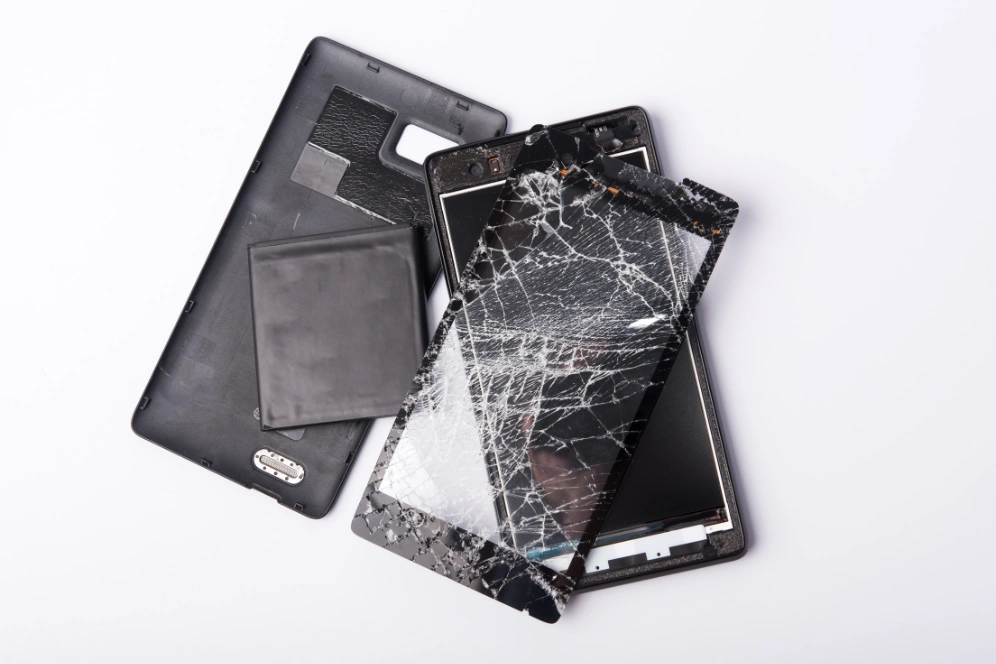
Data removal is one of the most time-intensive parts of mobile phone disposal. Factory resets alone do not guarantee permanent data removal, and businesses often lack the tools or expertise to verify erasure.
Industry studies analysing second-hand mobile devices have found that a significant proportion still contain recoverable data, including emails, documents, and login credentials. This creates ongoing risk for organisations that attempt to manage disposal themselves.
Professional phone recycling companies use certified data wiping software or physical destruction methods, removing uncertainty and saving time that would otherwise be spent double-checking devices.
UK businesses are legally required to dispose of electronic equipment through approved recycling routes. Under the WEEE Regulations, mobile phones must not be placed in general waste streams.
Free mobile phone recycling services are already structured around these requirements. By using a compliant provider, businesses meet environmental and data protection obligations automatically, without having to research regulations or update internal policies.
This built-in compliance saves time during audits, procurement reviews, and contract renewals, where disposal practices are increasingly scrutinised.
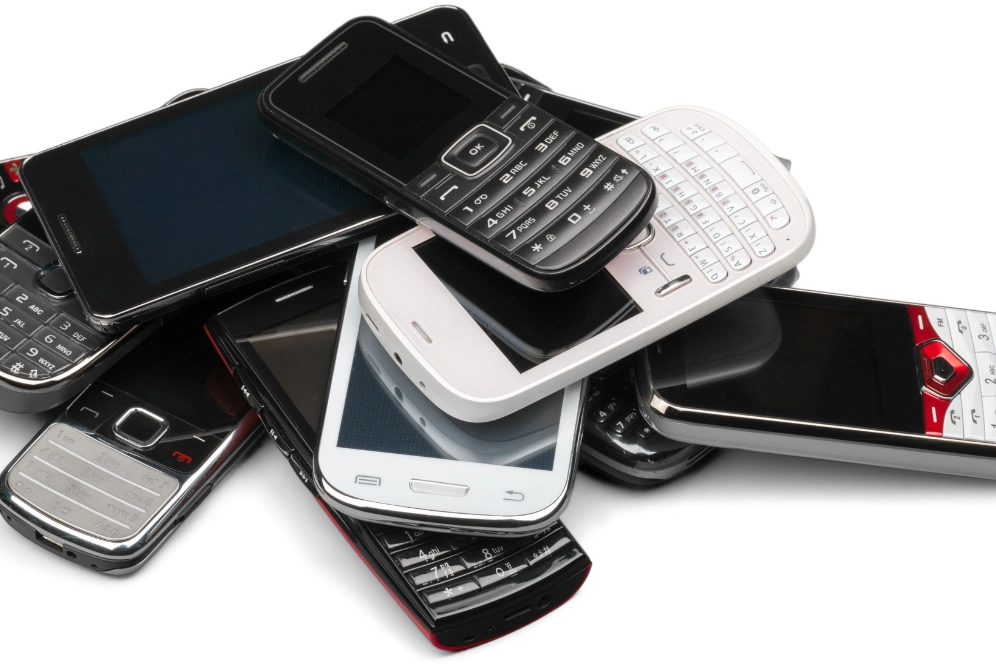

Mobile phones contain valuable materials including copper, aluminium, gold, and rare earth elements. The Global E-waste Monitor estimates that electronic waste contains recoverable raw materials worth over £50 billion globally each year, much of which is lost due to poor recycling practices.
Free recycling services ensure these materials are recovered responsibly, supporting the circular economy. For businesses with sustainability goals, this delivers environmental benefits without adding operational workload.
Selling, gifting, or storing old phones often seems convenient at first but introduces long-term risk. Devices can resurface years later with recoverable data, and informal routes provide no audit trail.
Free mobile phone recycling offers certainty. Businesses know where devices go, how data is destroyed, and how materials are handled. This certainty reduces future risk and removes the need for ongoing oversight.
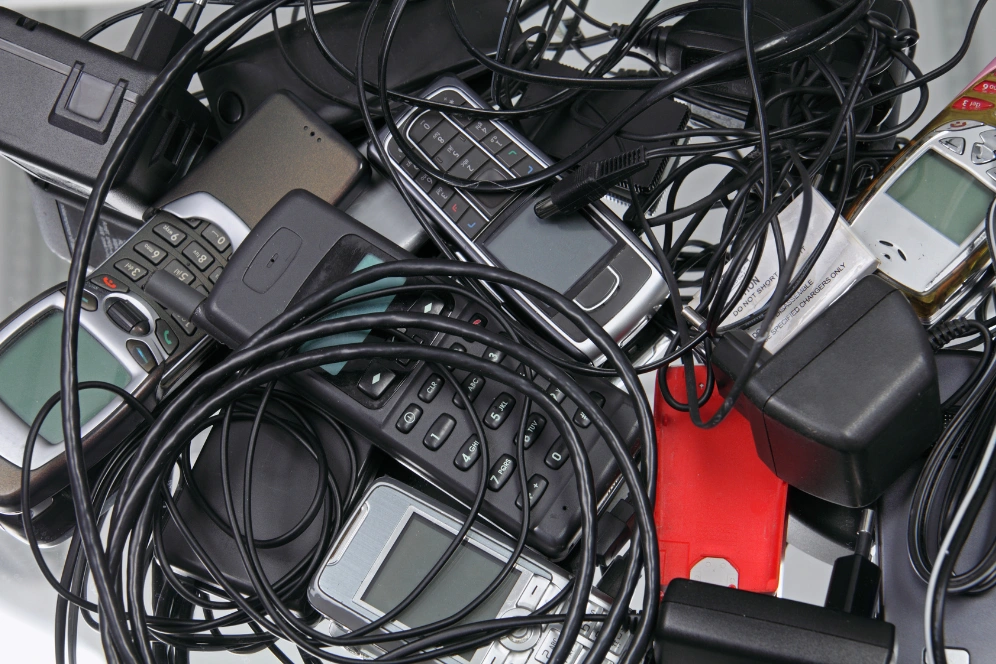

Not all recyclers offer the same level of service. Reputable phone recycling companies provide secure handling, traceability, and documentation as standard. They operate within UK environmental licensing frameworks and follow recognised data destruction standards.
For organisations across West Yorkshire, working with an established local provider also reduces delays and improves responsiveness, particularly when dealing with bulk collections or time-sensitive disposals.
Free mobile phone recycling saves time and effort by removing complexity, reducing administrative work, and ensuring compliance without added cost. For businesses managing growing volumes of old devices, it replaces fragmented disposal processes with a single, reliable solution.
By choosing free mobile phone recycling, organisations protect sensitive data, meet legal obligations, and support responsible recycling, all while freeing internal teams to focus on what matters most.
This article is informed by data and guidance from the following trusted sources:
UNITAR / WEEE Forum – Global data on unused mobile phones and recycling behaviour
https://www.weee-forum.org/
Free mobile phone recycling allows businesses to dispose of unwanted mobile devices without paying disposal or collection fees. Devices are securely processed, data is destroyed, and materials are recycled through compliant channels.
Free recycling removes the need for internal coordination, transport, and research. Phone recycling companies manage collection, data destruction, and compliance documentation in one process, saving staff hours.
Yes. Professional recyclers use certified data wiping or physical destruction methods. The Information Commissioner’s Office confirms organisations remain responsible for data until it is permanently destroyed, which recycling providers handle securely.
Stored phones still contain data and create compliance risk. Industry studies show a large proportion of unused devices retain recoverable information, increasing the risk of data breaches if not recycled promptly.
Yes. Under the WEEE Regulations, mobile phones must be disposed of through approved recycling routes and must not be placed in general waste.
Yes. Faulty or damaged phones can still contain data and valuable materials. Recycling ensures secure data destruction and responsible material recovery regardless of condition.
According to the Global E-waste Monitor, the UK generates over 1.6 million tonnes of electronic waste annually, with mobile phones forming a significant and fast-growing category.
Yes. Reputable phone recycling companies issue certificates of data destruction and recycling reports, which support GDPR compliance and audit requirements.
Absolutely. UK GDPR applies to organisations of all sizes. Free recycling is especially useful for SMEs that want compliant disposal without additional cost or administrative burden.
Local providers offer faster collections, better regional compliance knowledge, and reduced transport emissions, making recycling quicker and more efficient for businesses.