
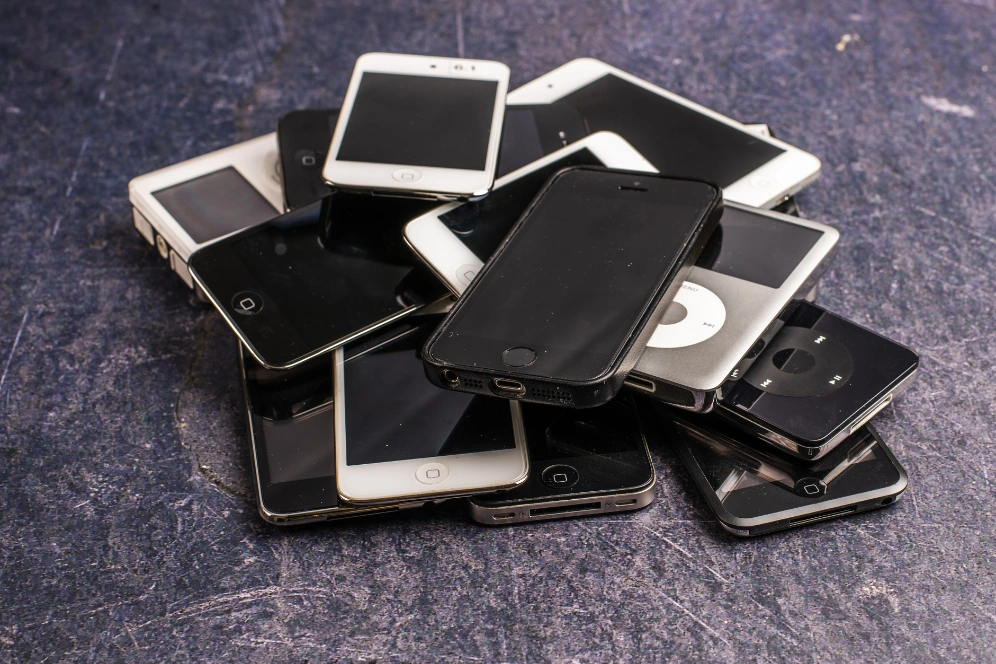
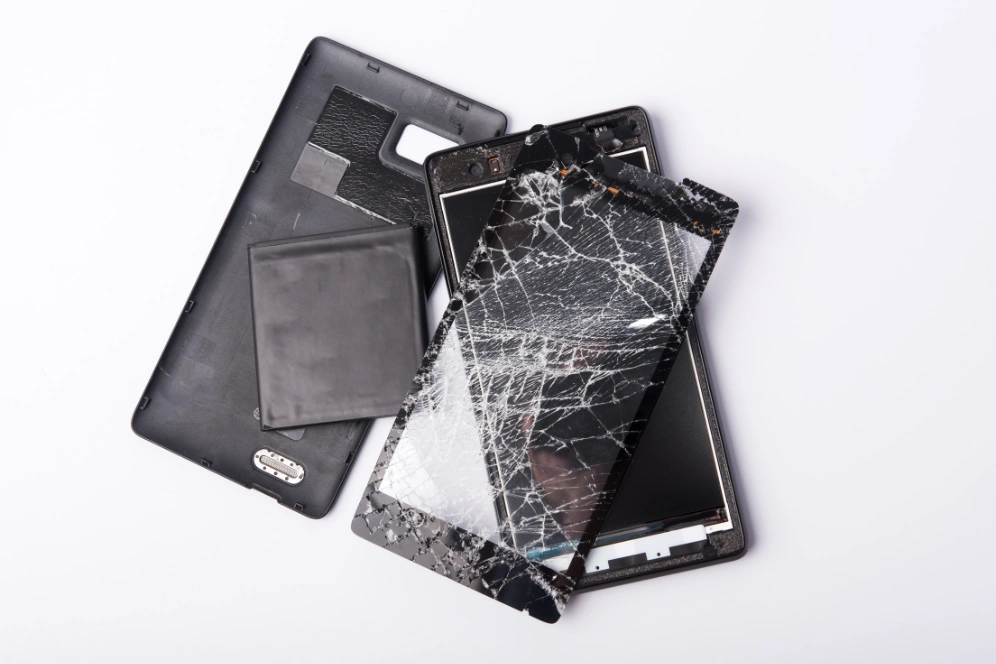
Old mobile phones are one of the most common forms of unused electronic waste in UK businesses. As companies upgrade devices for security, performance, or remote working needs, large numbers of smartphones are left sitting in drawers, cupboards, or IT storage rooms. While holding onto these devices may seem harmless, it quietly creates data security risks, compliance obligations, and unnecessary administrative work.
For organisations looking into free mobile phone recycling, the appeal is not just cost savings. It is about reducing time spent managing old devices, avoiding complex disposal decisions, and ensuring compliance without adding pressure to internal teams. Across West Yorkshire, more businesses are now turning to professional phone recycling companies because free recycling removes friction from what was once a slow and uncertain process.
This blog explains how free mobile phone recycling saves time and effort for B2B organisations, supported by trusted data, UK regulatory guidance, and industry research.
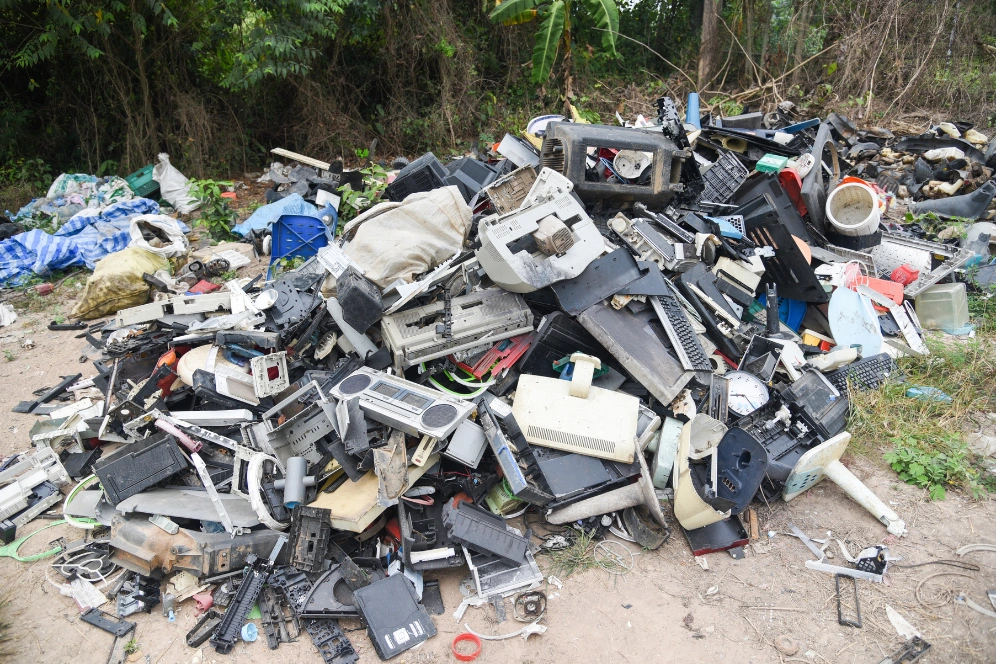
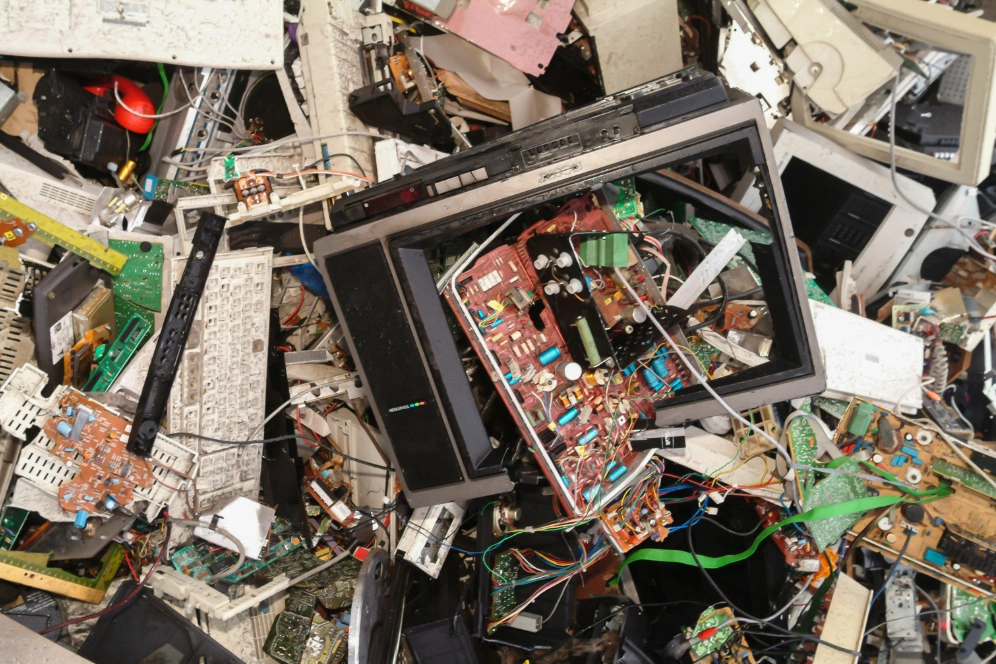
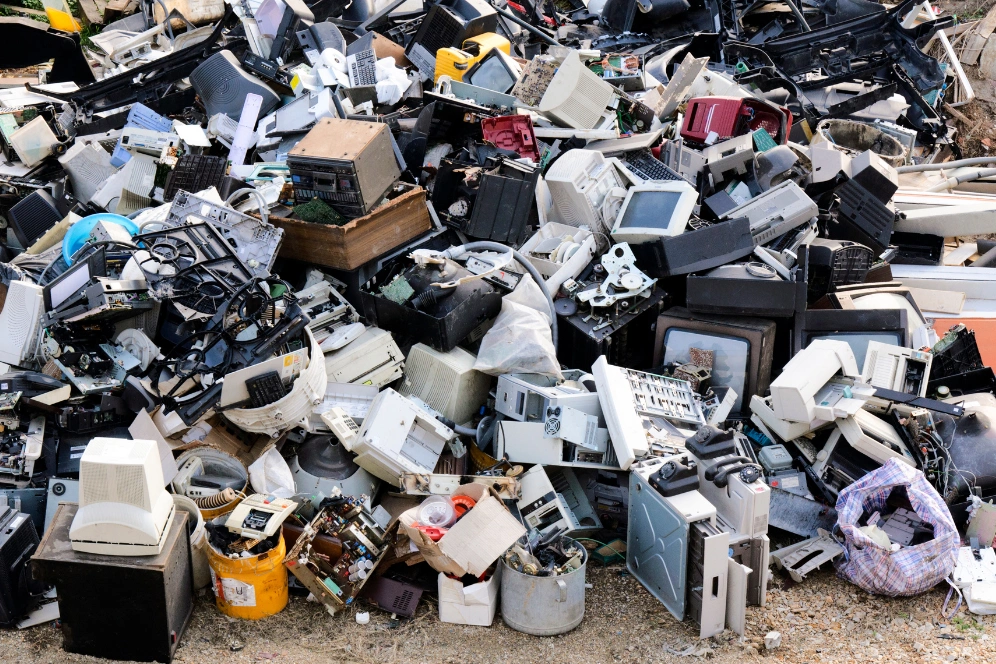
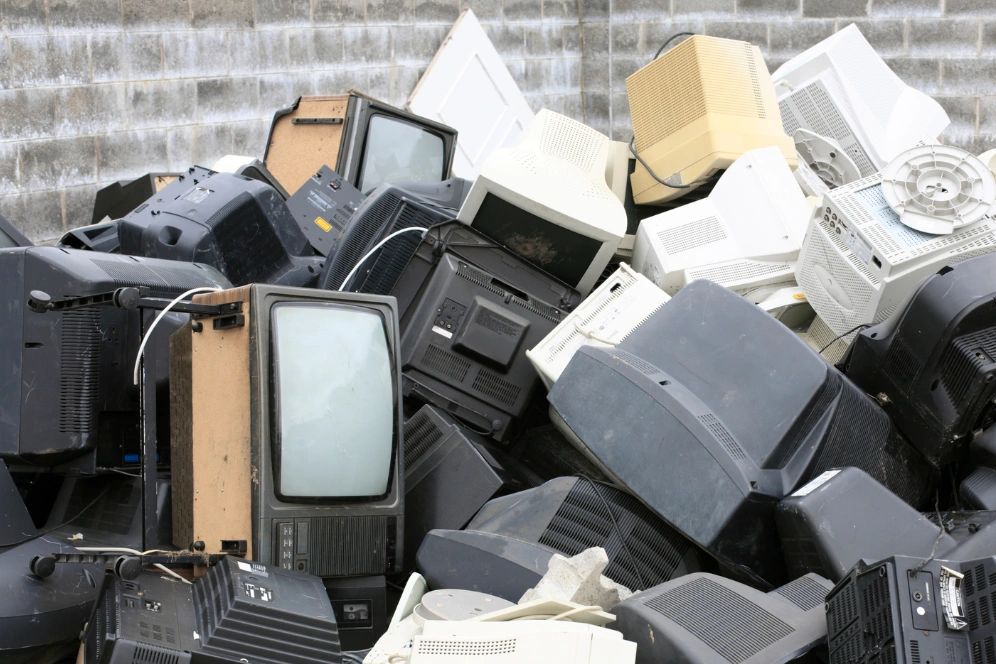
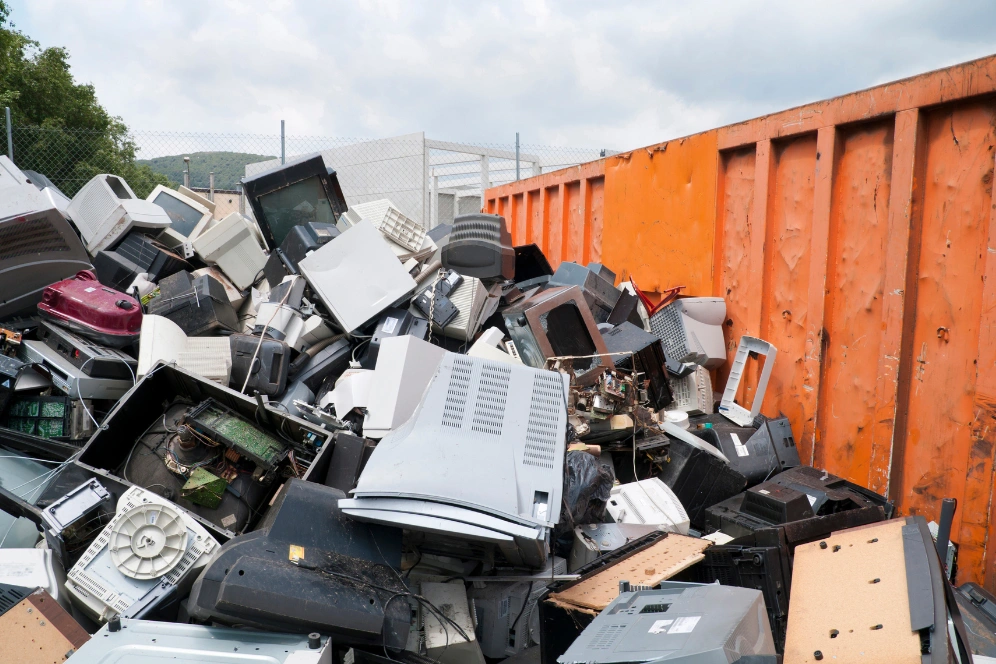
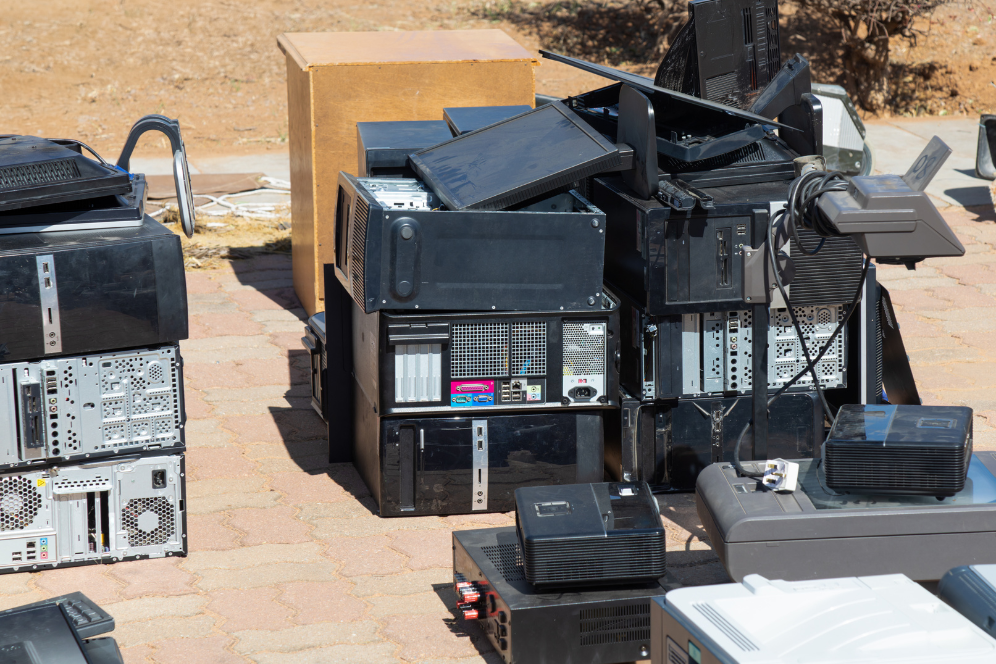
Electronic waste, or e-waste, includes discarded electrical and electronic equipment such as:
According to the Global E-waste Monitor 2024, the world generated over 62 million tonnes of e-waste in 2022, and this figure is projected to reach 82 million tonnes by 2030. Alarmingly, only 22.3% of this waste was formally recycled.
In the UK alone, data from the Department for Environment, Food & Rural Affairs shows that the country produces more than 1.6 million tonnes of e-waste annually, making it one of the largest producers per capita in Europe.
Without proper electronic waste disposal in Leeds, much of this waste risks ending up in landfills, where it can release hazardous substances such as lead, mercury, and cadmium into soil and groundwater.
A circular economy is an economic system designed to:
Instead of the traditional “take–make–dispose” model, it focuses on reuse, repair, refurbishment, and recycling.
The Ellen MacArthur Foundation estimates that circular economy practices could generate £23 billion per year for the UK economy by 2030, while significantly reducing carbon emissions.
Electronics contain valuable materials such as:
The Global E-waste Monitor reports that e-waste contains recoverable materials worth over USD 62 billion annually—more than the GDP of many countries. Proper electronic junk removal Leeds helps recover these resources instead of mining new ones.
Businesses and recycling providers in Leeds operate under the UK’s Waste Electrical and Electronic Equipment (WEEE) Regulations, overseen by the Environment Agency. These regulations ensure that:
According to the Environment Agency, regulated recycling facilities can recover up to 95% of materials from certain electronic devices.
Landfill space in the UK is increasingly limited. DEFRA data shows that landfill capacity has decreased by over 35% since 2010. By choosing professional electronic waste disposal Leeds services, businesses help divert large volumes of waste from landfills, extending their lifespan and reducing environmental damage.
Modern recycling facilities use advanced separation technologies to extract metals and plastics. The Waste and Resources Action Programme reports that recycling one tonne of e-waste can save:
This means that every properly recycled device in Leeds contributes directly to resource preservation.
Not all discarded electronics are obsolete. Many can be:
WRAP estimates that extending the life of electronic devices by just one year can reduce their environmental impact by 20–30%. Ethical electronic junk removal Leeds services prioritise reuse wherever possible, aligning perfectly with circular principles.
Electronics contain toxic materials that pose serious health risks. The World Health Organization states that exposure to informal e-waste recycling can increase risks of:
Certified electronic waste disposal in Leeds ensures these materials are treated in controlled environments, protecting workers and local communities.
Proper recycling reduces waste management costs over time. According to WRAP, UK businesses that adopt circular waste practices can save between 5% and 10% annually on operational expenses.
By partnering with professional electronic waste disposal Leeds providers, companies can reduce:
The UK circular economy sector employs over 500,000 people, as reported by DEFRA. Local e-waste recycling supports skilled jobs in logistics, processing, and refurbishment, strengthening Leeds’ green economy.
Businesses handling electronics must comply with:
Failure to dispose of devices correctly can lead to fines of up to £5,000 per offence for smaller breaches and unlimited penalties for serious violations.
According to IBM’s Cost of a Data Breach Report 2023, the average UK data breach costs £3.4 million. Professional electronic junk removal Leeds services include secure data destruction, significantly reducing cybersecurity risks.
As a Leeds-based recycling specialist, T&M Reuse Yorkshire Limited plays an important role in strengthening the region’s circular economy by:
By choosing a local, regulated provider, businesses and organisations contribute directly to sustainable resource management and responsible growth.


Track devices nearing end-of-life and identify reusable equipment.
Store e-waste securely to prevent damage, theft, or data breaches.
Choose providers offering compliant electronic waste disposal in Leeds.
Ensure you receive waste transfer notes and recycling certificates.
Communicate your recycling practices to customers and stakeholders to strengthen ESG credentials.
Here’s what responsible electronic junk removal Leeds can achieve annually for a medium-sized business:
Industry research from the International Telecommunication Union predicts that:
Leeds is well-positioned to benefit from these innovations through continued investment in responsible recycling infrastructure.