
Old IT equipment often sits quietly in offices, storage rooms, or warehouses, but for businesses it can represent a serious compliance, security, and financial risk. For organisations actively searching for IT secure disposal Leeds, the issue is no longer just about removing unwanted hardware — it is about protecting sensitive data, meeting legal obligations, and managing electronic waste responsibly.
According to the Global E-waste Monitor, the UK generates over 1.6 million tonnes of electronic waste every year, placing it among the highest e-waste producers per person globally. Alarmingly, less than 31% of this e-waste is formally recycled, meaning a large volume of discarded IT equipment remains unaccounted for — often still containing recoverable data.
Below are 10 clear, data-backed signs that indicate your business should engage a professional IT disposal company Leeds to manage IT assets securely and compliantly.
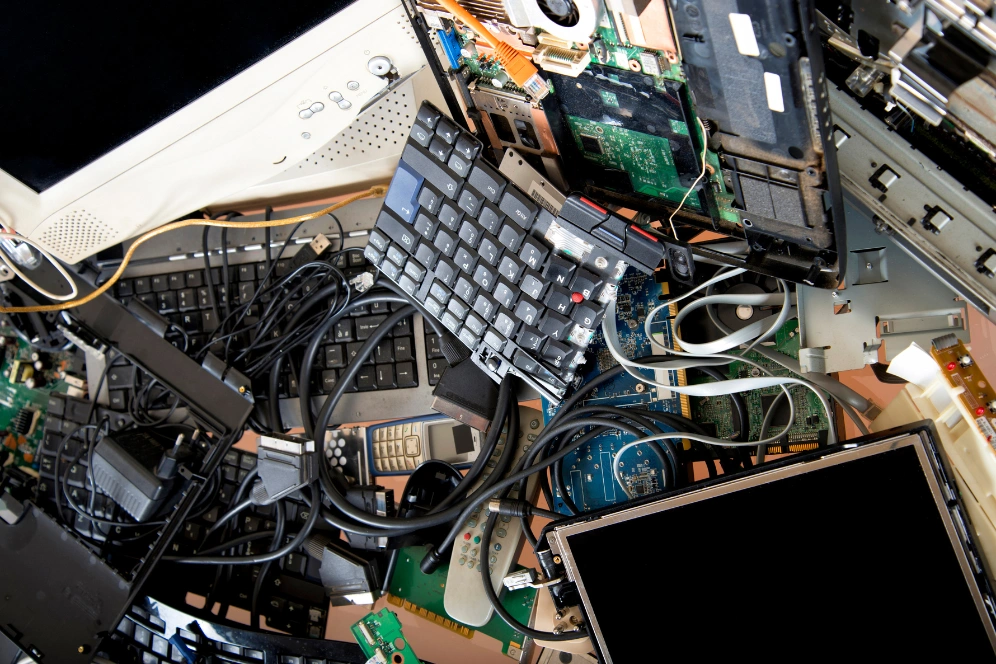
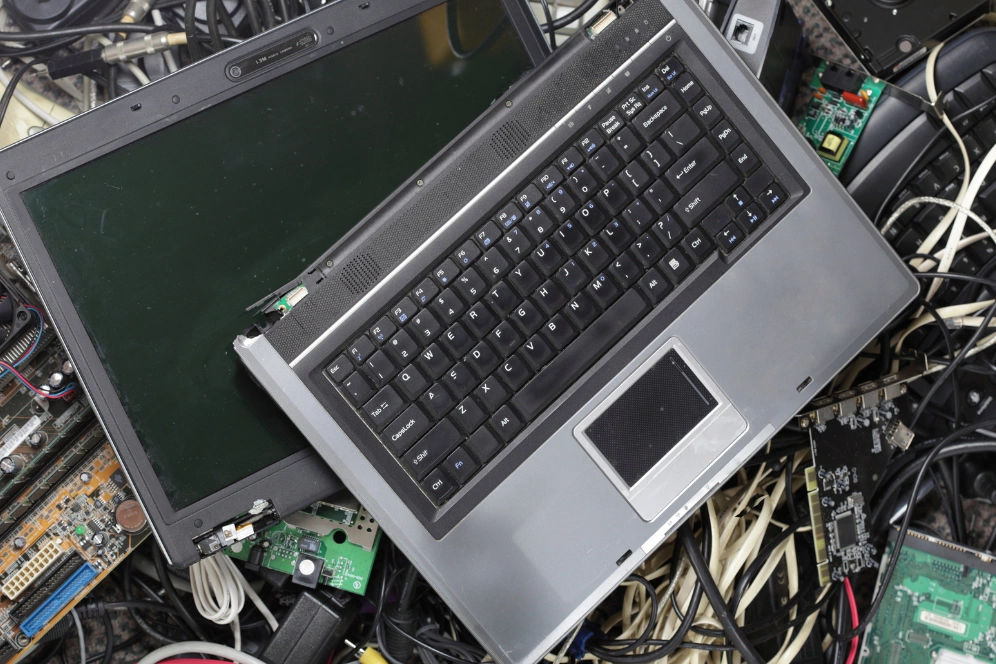
If your business has unused laptops, desktops, servers, hard drives, or network equipment sitting in cupboards or storerooms, this is the first warning sign. Even devices that no longer power on can still store sensitive information.
UK Government waste guidance confirms that electronic equipment is classified as regulated waste and must be handled through approved disposal routes. Keeping old devices on-site increases the risk of theft, loss, or unauthorised access, particularly when no inventory or disposal plan exists.
Professional IT secure disposal ensures that redundant equipment is collected promptly and processed through compliant recycling and destruction channels.
Many businesses assume that deleting files or performing a factory reset permanently removes data. In reality, data recovery software can often retrieve information from inadequately wiped drives.
Guidance from the Information Commissioner’s Office makes it clear that organisations remain responsible for personal data until it is irretrievably destroyed, even after equipment is no longer in use. The ICO recommends certified data wiping, degaussing, or physical destruction for data-bearing devices.
Industry breach analysis consistently shows that around 25% of data breaches involve lost, stolen, or improperly disposed devices, making poor disposal practices one of the most preventable risks for businesses.
If your organisation processes customer information, employee records, financial data, or confidential commercial information, secure disposal is not optional.
Under UK GDPR, businesses must protect personal data throughout its entire lifecycle — including disposal. The ICO has confirmed that failure to securely dispose of IT equipment can constitute a GDPR breach, even if the data exposure occurs after the device leaves your premises.
For data-driven organisations, IT secure disposal is a critical compliance safeguard.
A surprising number of businesses operate without a documented IT asset disposal policy. Equipment is often retired informally, with different staff members making ad-hoc decisions.
Compliance reviews referenced by UK regulators indicate that over 60% of organisations are unsure whether third-party disposal providers fully destroy data. This uncertainty increases exposure to data breaches and regulatory action.
Working with a specialist IT disposal company Leeds introduces consistency, accountability, and auditable processes aligned with UK compliance expectations.
IT refresh cycles and office moves generate large volumes of redundant equipment in a short time. Without planning, businesses often resort to temporary storage or rushed disposal.
The WEEE Regulations confirm that businesses remain legally responsible for electrical and electronic equipment disposal, regardless of whether it is replaced, relocated, or decommissioned.
Secure IT disposal services manage collections, data destruction, and recycling efficiently, reducing operational disruption during upgrades or relocations.
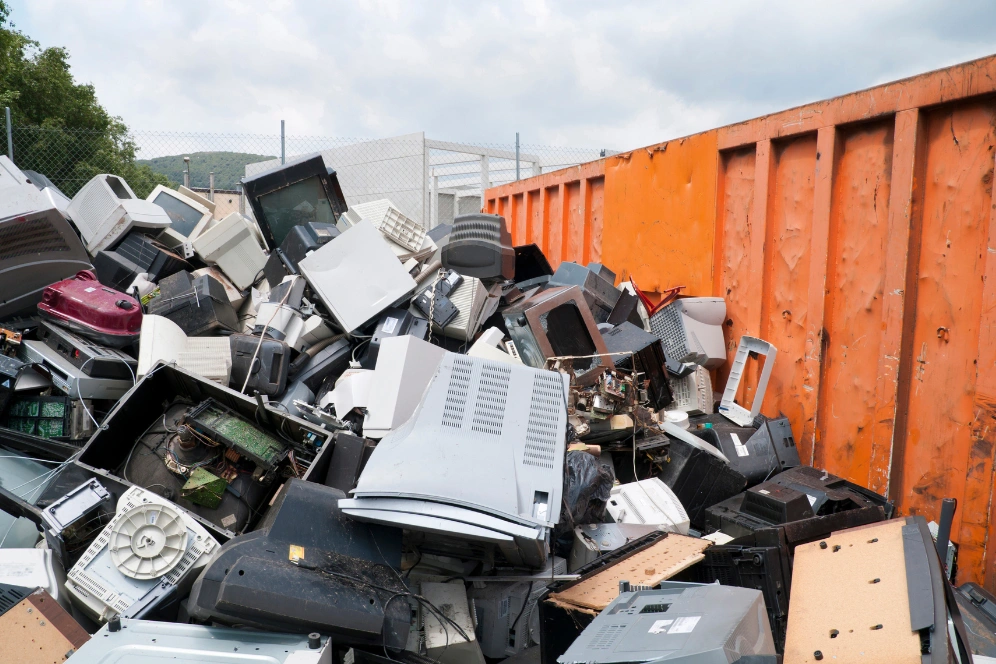
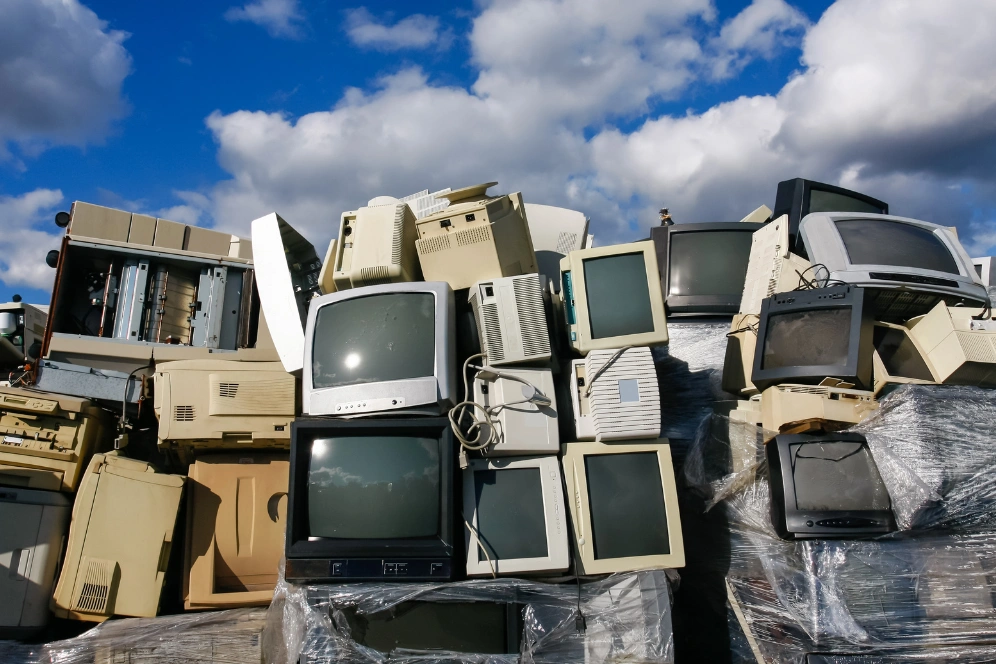
Environmental responsibility is now a core expectation from clients, partners, and regulators. The Global E-waste Monitor reports that electronic waste contains recoverable raw materials worth over £50 billion globally each year, much of which is lost due to improper handling.
Using a secure IT disposal provider supports reuse, refurbishment, and compliant recycling, reducing landfill waste and environmental harm. For businesses with ESG or CSR commitments, secure disposal provides a measurable sustainability benefit.
Improperly discarded IT equipment is a known source of data exposure. Independent studies analysing second-hand hard drives sold online have found that more than 30% still contain recoverable corporate or personal data.
The ICO has issued multiple enforcement actions where data breaches originated from poorly managed IT disposal. Once data is exposed, reputational damage and loss of trust can be long-lasting.
Secure IT disposal significantly reduces this risk by ensuring all data destruction methods are verifiable and documented.
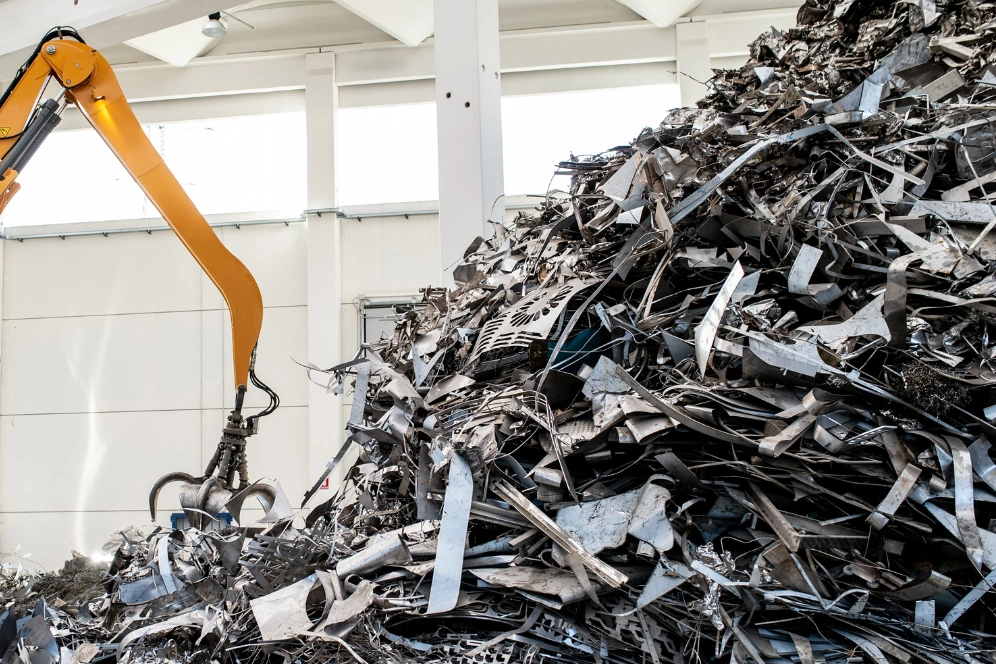
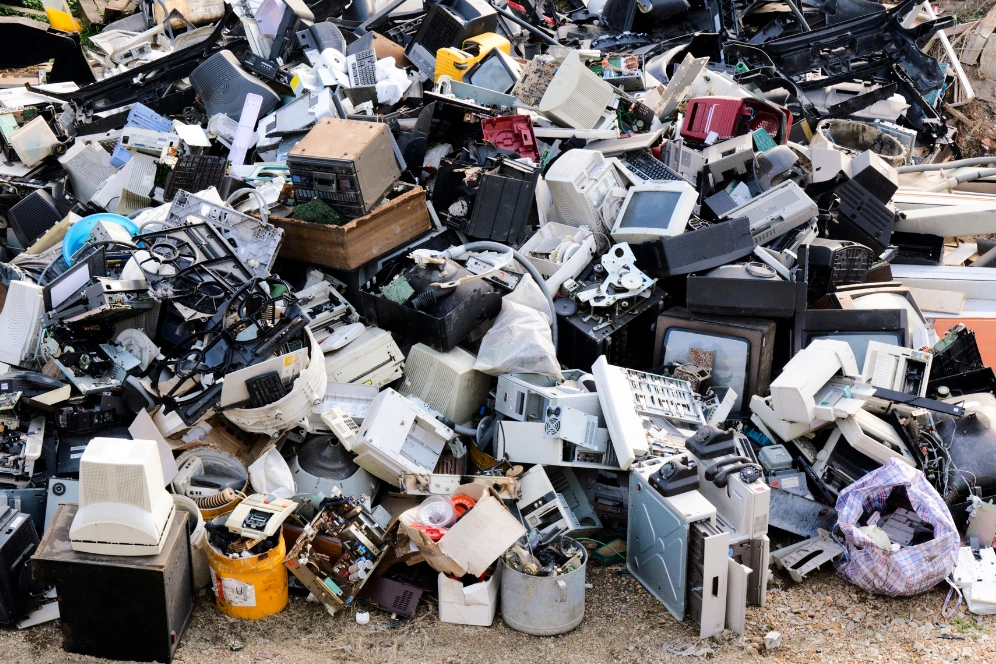
UK regulators have strong enforcement powers. Under UK GDPR, the ICO can issue fines of up to £17.5 million or 4% of annual global turnover for serious breaches.
While not every incident results in maximum penalties, failure to demonstrate secure disposal practices can significantly worsen enforcement outcomes. Using a certified IT secure disposal service demonstrates proactive compliance and risk mitigation.
Accountability is a core GDPR principle. The ICO advises organisations to retain records of IT asset disposal, including evidence supplied by third-party contractors.
If your business cannot produce certificates of data destruction or recycling documentation, you may struggle during audits, procurement reviews, or compliance checks. Professional IT disposal services provide full audit trails that protect your organisation legally.
Secure IT disposal is not always a cost-only exercise. Many providers assess equipment for reuse or resale before recycling, supporting the circular economy.
UK reuse programmes show that refurbished IT equipment can extend device lifecycles by several years while reducing waste. If your organisation automatically discards all old equipment, you may be missing opportunities to recover value responsibly.
For organisations seeking IT secure disposal Leeds, the benefits go beyond compliance. Secure disposal protects sensitive data, supports environmental responsibility, and demonstrates strong corporate governance.
UK GDPR and the WEEE Regulations place clear legal obligations on businesses to manage IT waste correctly. Partnering with a trusted local provider ensures these obligations are met without unnecessary operational strain.
This article is supported by guidance from UK regulatory bodies and internationally recognised industry research.
IT secure disposal is the process of safely destroying or sanitising IT equipment so that all stored data is permanently removed. The Information Commissioner’s Office confirms that businesses remain legally responsible for personal data until it is securely destroyed.
Secure disposal helps businesses comply with UK GDPR and WEEE Regulations while preventing data breaches, environmental harm, and regulatory penalties.
The Global E-waste Monitor reports that the UK generates over 1.6 million tonnes of electronic waste annually, with less than 31% being formally recycled.
Yes. Improperly wiped devices can still contain recoverable data. The ICO advises certified data wiping, degaussing, or physical destruction to prevent recovery.
Businesses should receive certificates of data destruction and recycling records to demonstrate compliance with UK data protection laws.