
If you’re searching for computer recycling Leeds, you’re likely dealing with outdated IT equipment and wondering what to do with it safely. What many businesses and individuals don’t realise is that disposing of computers isn’t just about clearing space—it’s about protecting sensitive data, complying with regulations, and reducing environmental impact.
In today’s digital world, every device holds valuable and potentially sensitive information. Simply throwing it away or selling it without proper handling can expose serious risks. That’s why secure computer disposal Leeds has become more important than ever.
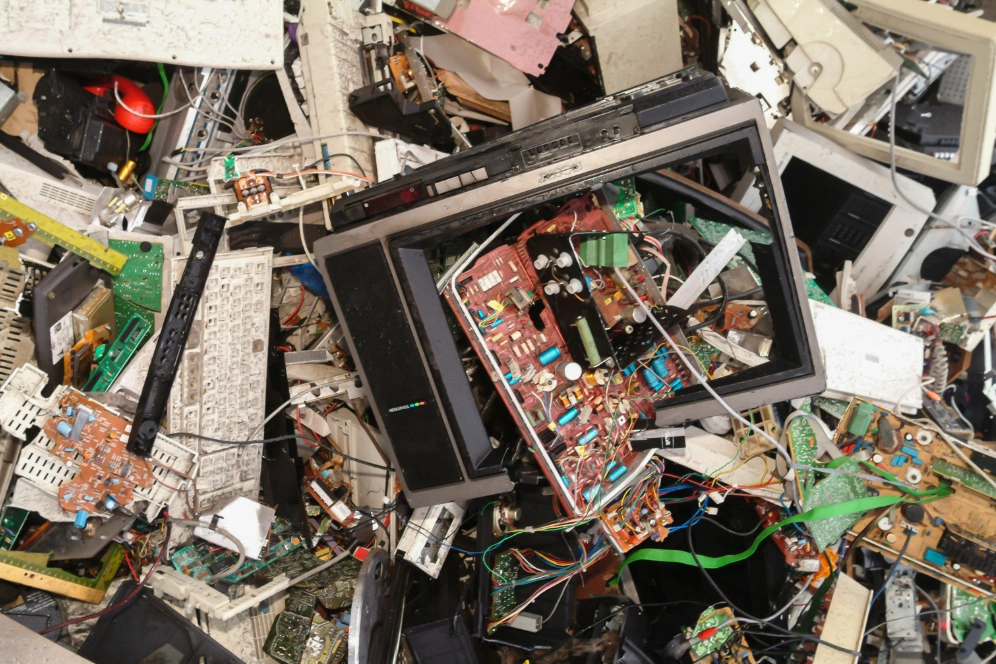
The world is producing more electronic waste than ever before, and computers are a major contributor.
According to the Global E-waste Monitor:
This means millions of devices, including computers, are being discarded improperly—leading to environmental damage and lost resources.
For cities like Leeds, this growing volume of e-waste makes computer recycling Leeds a critical service for both businesses and households.
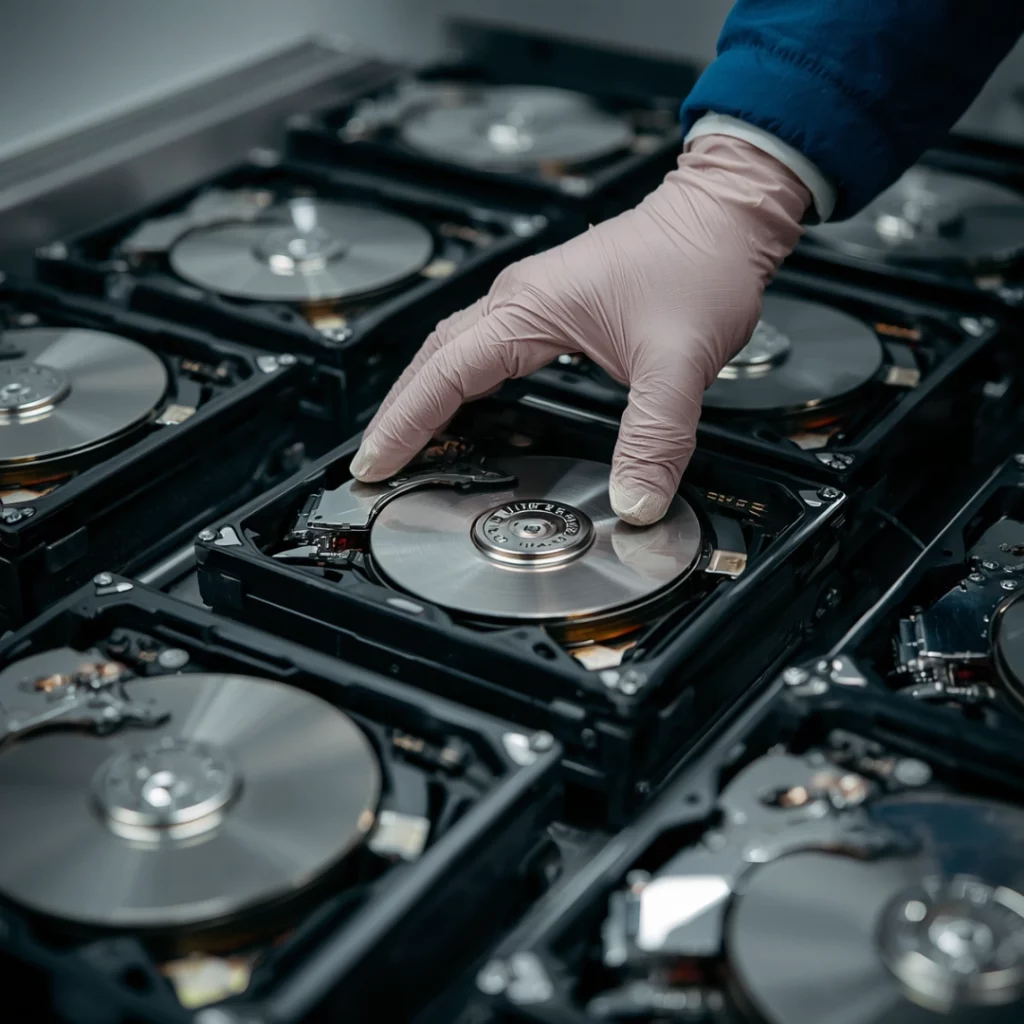
One of the biggest risks associated with old computers is data exposure.
Even after files are deleted, data can often still be recovered unless proper destruction methods are used.
According to the National Cyber Security Centre:
At the same time, research from IBM Security highlights:
This is why secure computer disposal Leeds is essential. Without proper processes, even a single device can expose confidential data.
Data protection is not optional in the UK.
The Information Commissioner’s Office enforces strict regulations requiring organisations to securely dispose of personal and sensitive data.
Failure to comply can result in:
Improper disposal of IT equipment has already led to multiple enforcement actions, making compliance a key reason why computer recycling Leeds matters today.

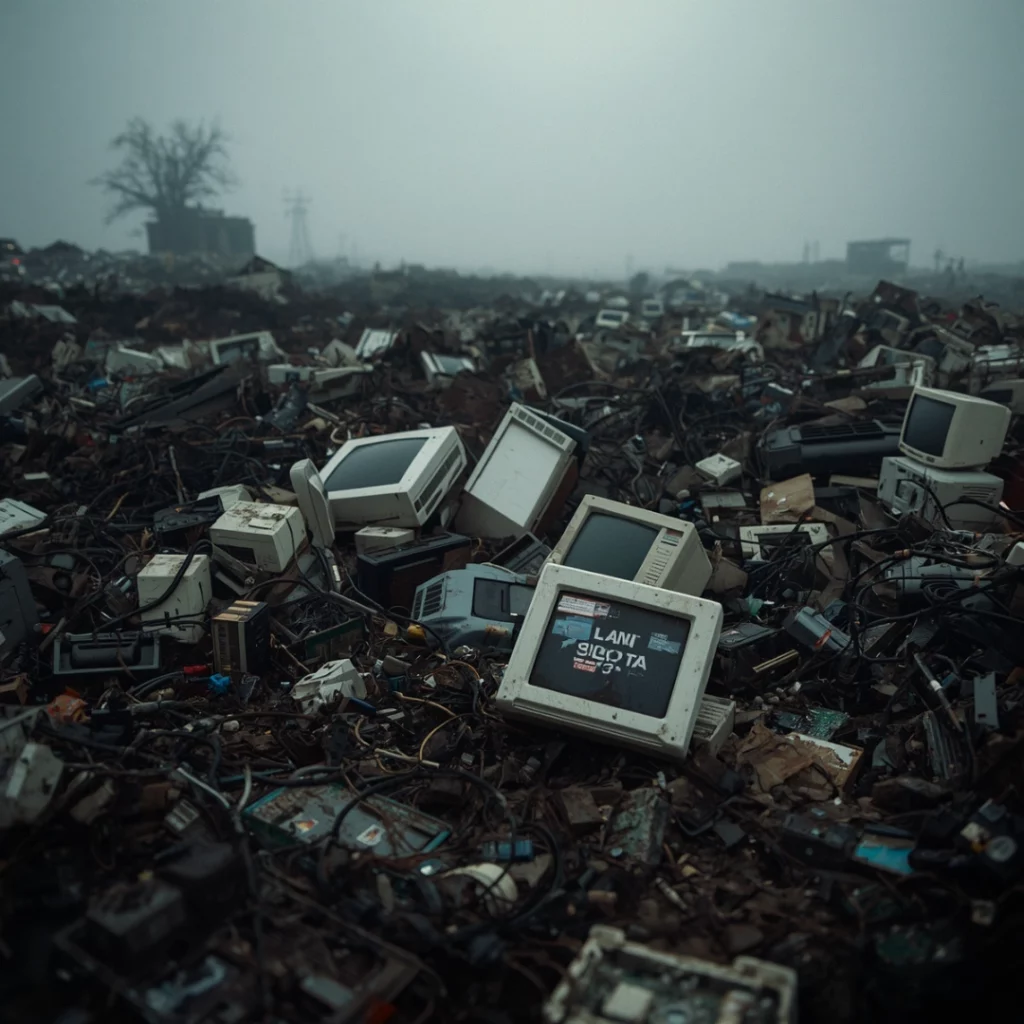
Beyond data security, computer disposal has a major environmental impact.
Electronic devices contain hazardous materials such as lead and mercury, which can harm the environment if not handled correctly.
According to the Global E-waste Monitor:
By choosing responsible recycling, businesses and individuals contribute to a more sustainable future.
Several key trends are driving the demand for computer recycling Leeds.
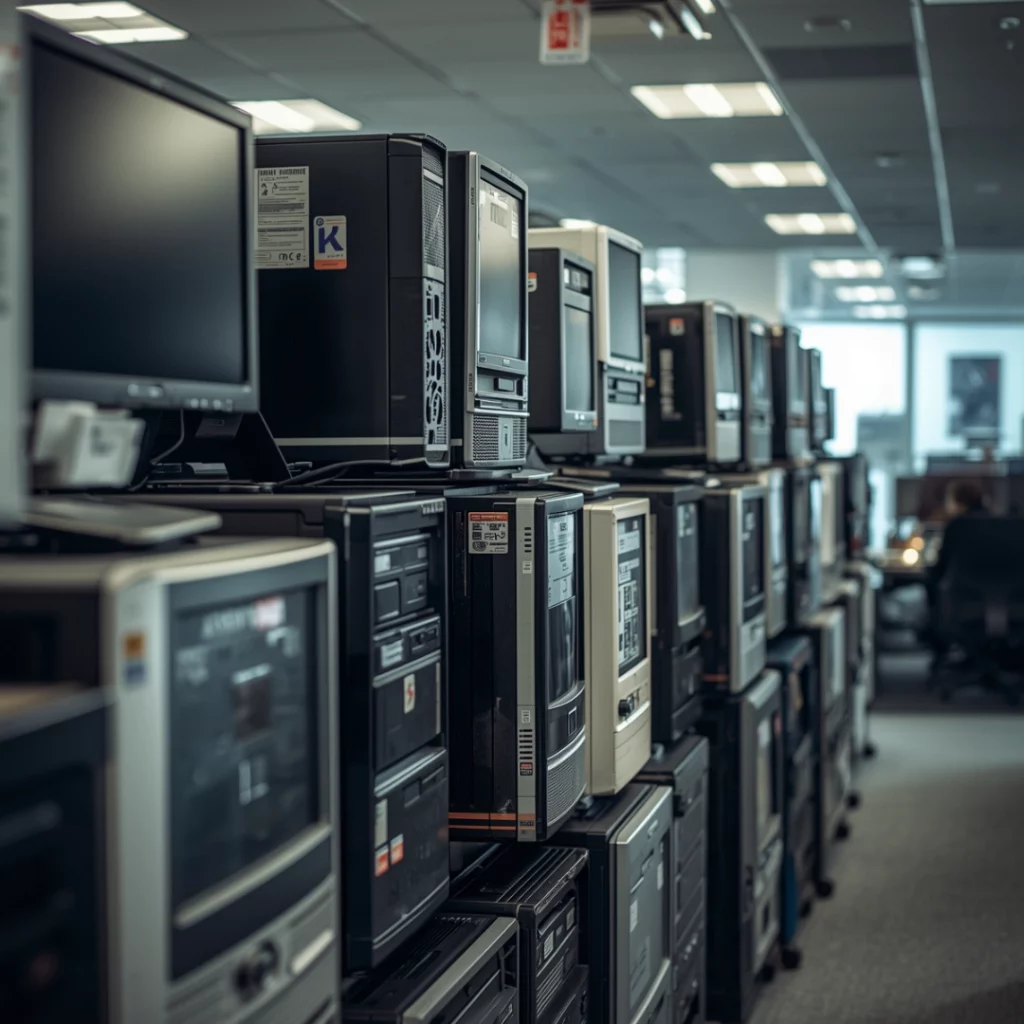
Technology is evolving rapidly, leading to shorter device lifecycles. Businesses are upgrading equipment more frequently to stay competitive.
At the same time, remote and hybrid working models have increased reliance on digital tools.
According to Statista:
This shift has resulted in more devices being used—and eventually replaced—creating a continuous need for secure disposal solutions.
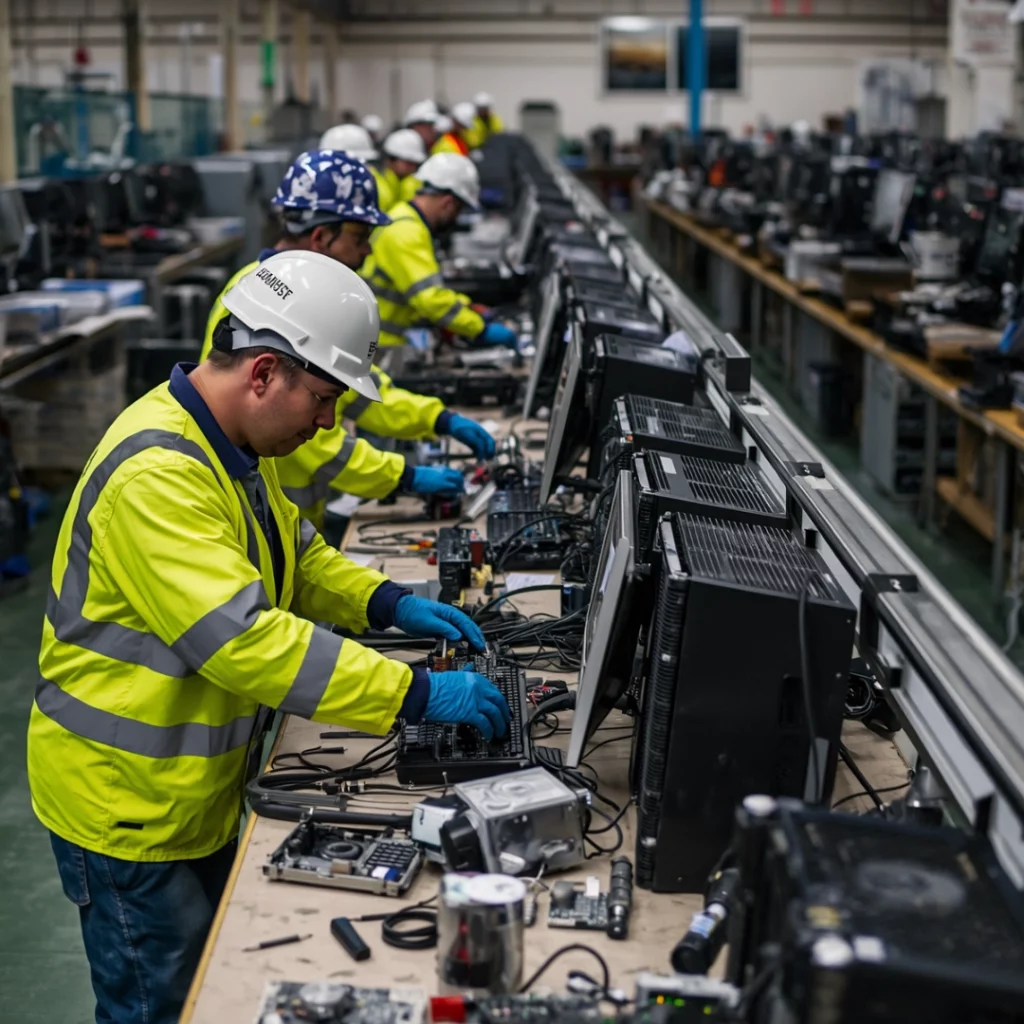
Many people assume that deleting files or resetting a computer is enough. In reality, proper disposal involves several secure steps.
Data must be permanently destroyed using certified methods such as data wiping, physical destruction, or degaussing. Devices are then either refurbished for reuse or broken down into recyclable materials.
This process ensures that both data security and environmental standards are met.
Failing to recycle computers properly can have serious consequences.
Sensitive data can fall into the wrong hands, leading to identity theft or corporate breaches. Businesses may face regulatory penalties for non-compliance. Environmental damage can also occur due to hazardous waste.
According to IBM Security:
Improper disposal is a clear example of avoidable risk.
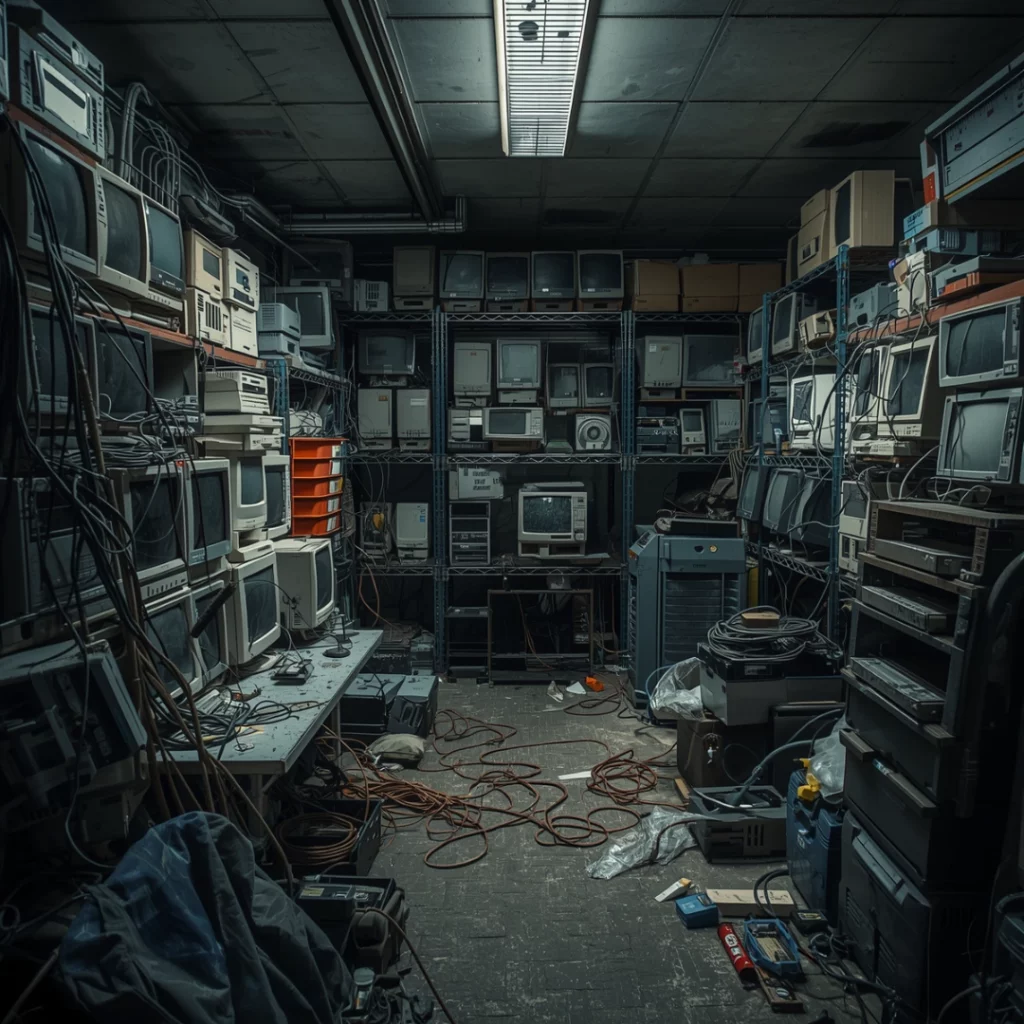

Professional recycling services provide a structured and secure approach to IT disposal.
They ensure that data is completely destroyed, reducing the risk of breaches. They also provide documentation, such as certificates of destruction, which helps demonstrate compliance with regulations.
This level of accountability is essential for businesses that handle sensitive information.
Choosing the right provider is crucial for ensuring both security and compliance.
A reliable service should follow certified data destruction standards and provide clear documentation. Experience in handling different types of IT equipment is important, as it ensures proper processing of all devices.
Transparency is also key. Businesses need confidence that their data has been handled securely from start to finish.
As technology continues to evolve, the importance of secure disposal will only increase.
With stricter data protection laws and growing environmental concerns, businesses will need to adopt more responsible practices.
The demand for secure computer disposal Leeds is expected to rise as organisations prioritise both security and sustainability.
Computer recycling is no longer just about disposing of old equipment—it’s about protecting data, complying with regulations, and reducing environmental impact.
In a world where data breaches can cost millions and e-waste is growing rapidly, businesses and individuals must take responsibility for how they handle outdated devices.
If you’re considering computer recycling Leeds, focus on security, compliance, and reliability. With the right approach, you can protect your data while contributing to a more sustainable future.
Computer recycling involves safely disposing of old or unused computers while ensuring that all data is securely destroyed and materials are reused or recycled. In Leeds, this is increasingly important due to rising e-waste and strict data protection requirements.
No, simply deleting files is not enough. Data can still be recovered unless professional data destruction methods are used. This is why secure computer disposal Leeds is essential for complete data protection.
The safest methods include certified data wiping, physical destruction of hard drives, and degaussing. These processes ensure that data cannot be recovered under any circumstances.
Yes. Under regulations enforced by the Information Commissioner’s Office, businesses must securely dispose of any devices containing personal or sensitive data.
Costs vary depending on the number of devices, type of equipment, and level of data destruction required. However, the cost is minimal compared to the financial risks of a data breach.
After secure data destruction, devices are either refurbished for reuse or dismantled into recyclable components such as metals and plastics.
Yes, reputable providers issue a certificate of destruction. This document confirms that your data has been securely and permanently erased.
Yes, professional recycling services can handle bulk IT asset disposal for businesses, ensuring compliance and efficiency.
Most businesses replace computers every 3 to 5 years. Regular recycling helps maintain security and compliance with data protection regulations.
You should look for certified processes, compliance with UK regulations, transparent documentation, and experience in handling computer recycling Leeds services.