
If you’re searching for secure IT recycling Leeds, chances are you’re not just looking to dispose of old equipment—you’re looking to protect sensitive data. In today’s digital-first world, improper disposal of IT assets can expose businesses to serious risks, including data breaches, financial penalties, and reputational damage.
Yet many organisations still underestimate what “secure recycling” actually involves. Simply deleting files or formatting a device is no longer enough. True data destruction requires certified processes, compliance with regulations, and complete accountability.
In this guide, we’ll uncover the truth about secure IT recycling, backed by real data, and explain how businesses in Leeds can protect themselves.
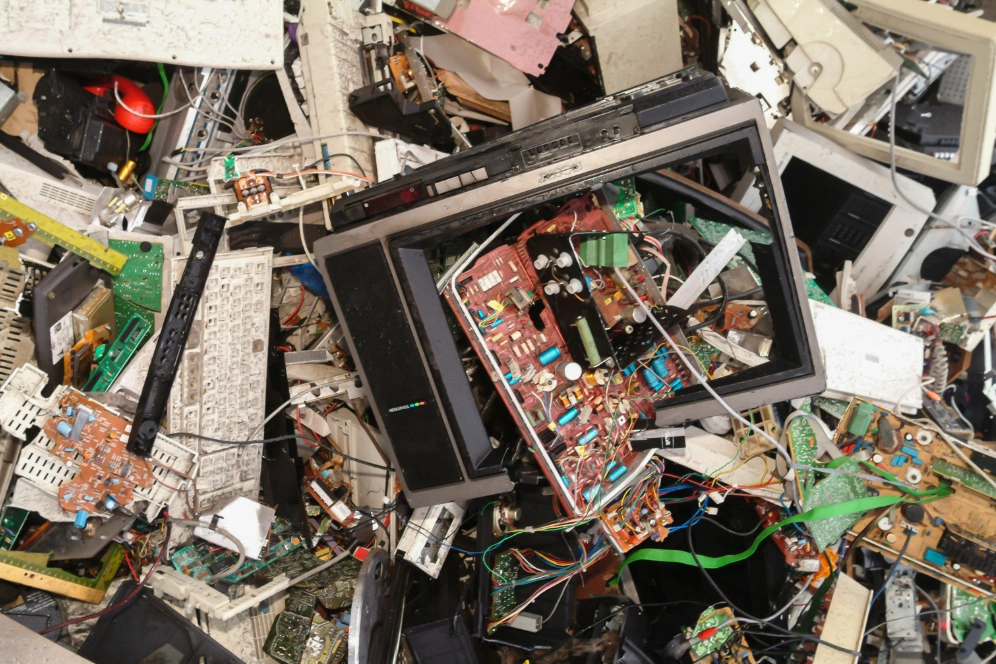
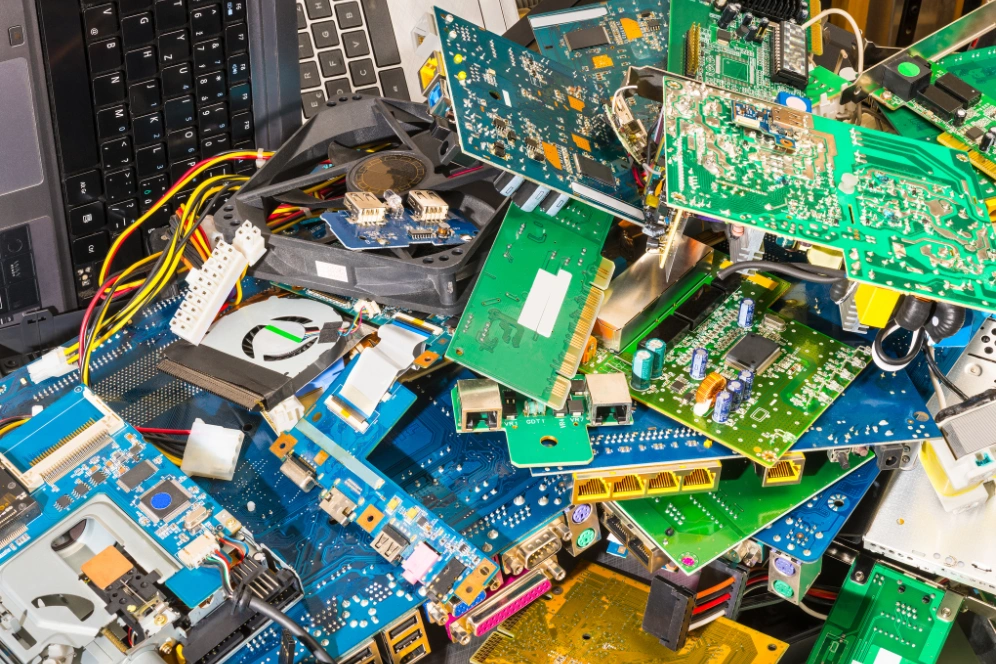
The volume of electronic waste is growing rapidly—and so are the risks.
According to the Global E-waste Monitor:
At the same time, data security threats are increasing.
Research from IBM Security shows:
This combination of rising e-waste and growing cyber risk makes secure IT recycling Leeds a critical business requirement—not just an environmental responsibility.
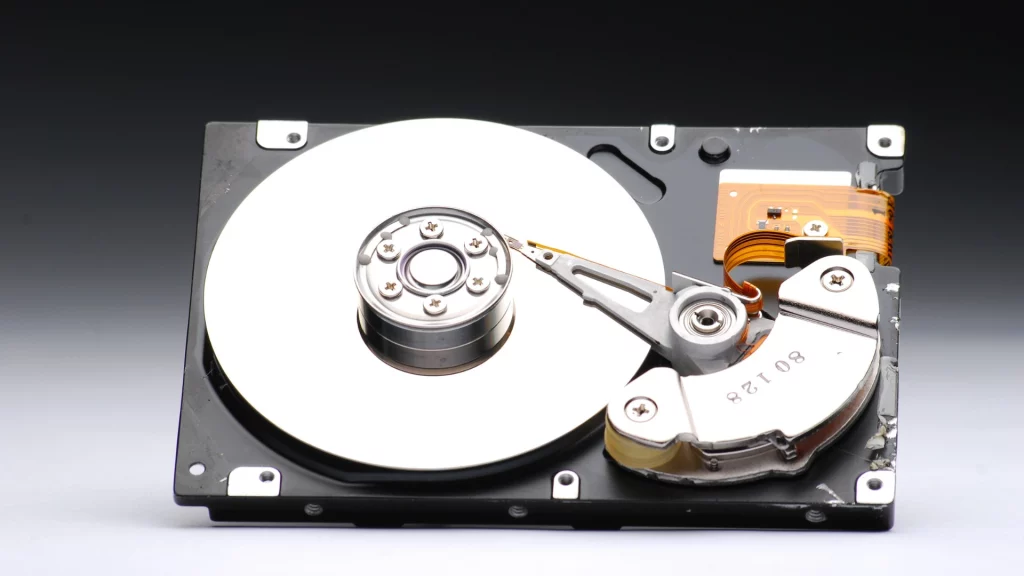
One of the biggest misconceptions is that deleting files or resetting a device removes data permanently.
In reality, data often remains recoverable unless it is destroyed using certified methods.
The Truth About Data Deletion
According to the National Cyber Security Centre:
This is why professional data destruction Leeds services use specialised techniques to ensure data is completely irretrievable.
Not all data destruction methods are equal. The right approach depends on the type of device and the level of security required.
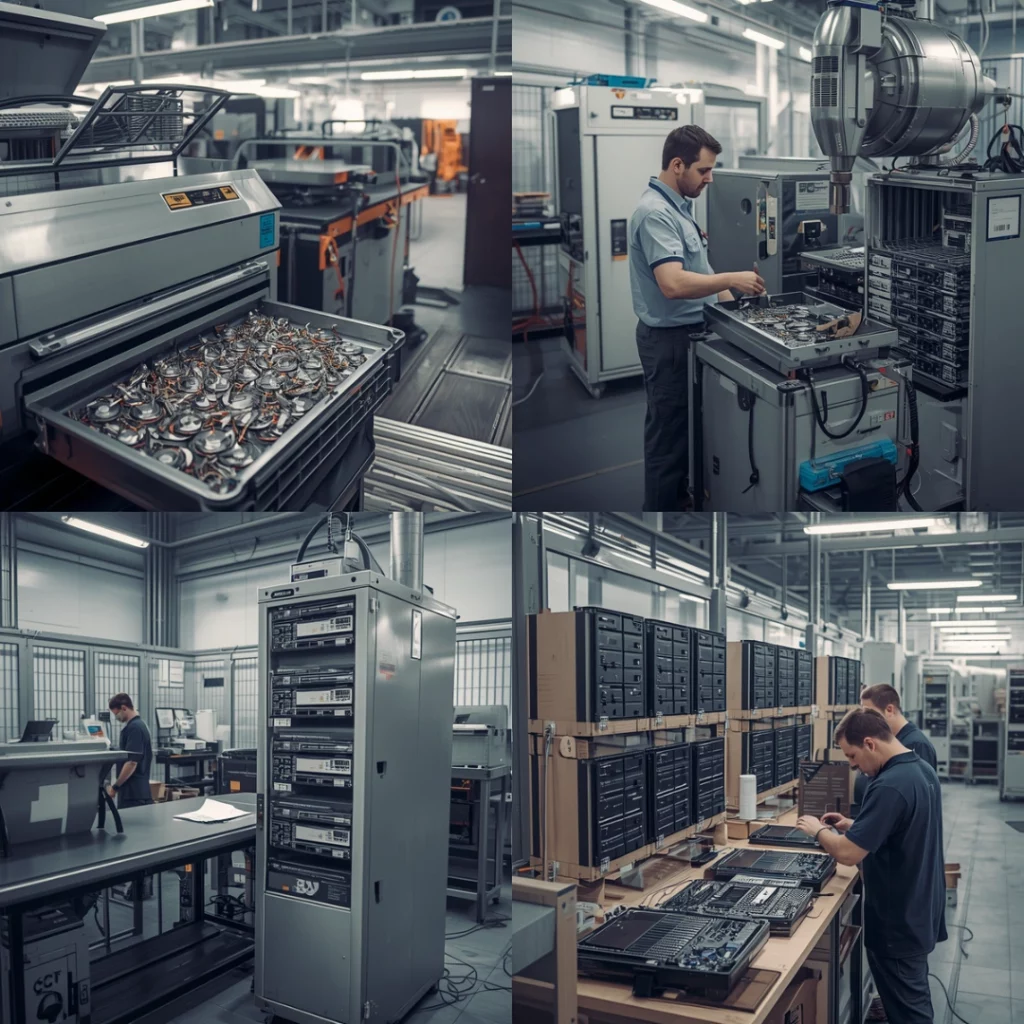
This involves shredding or crushing storage devices such as hard drives. It ensures data cannot be recovered under any circumstances.
Certified software is used to overwrite data multiple times, making it impossible to retrieve. This method is often used when devices are being reused or resold.
This process uses powerful magnets to disrupt the magnetic field of storage devices, permanently erasing data.
Each method plays a role in secure IT recycling, depending on compliance requirements and business needs.
Businesses in the UK are legally required to protect personal and sensitive data.
Under regulations enforced by the Information Commissioner’s Office:
In fact, data breaches caused by improper disposal have led to penalties in the millions.
This makes secure IT recycling Leeds not just a best practice—but a legal necessity.
As a growing business hub, Leeds is home to a wide range of industries, from finance to tech startups.
With increasing reliance on digital systems, organisations are upgrading IT equipment more frequently. This creates a constant need for secure disposal solutions.
At the same time, environmental awareness is rising.
According to the Global E-waste Monitor:
Businesses are now expected to handle IT disposal responsibly, balancing both data security and environmental impact.
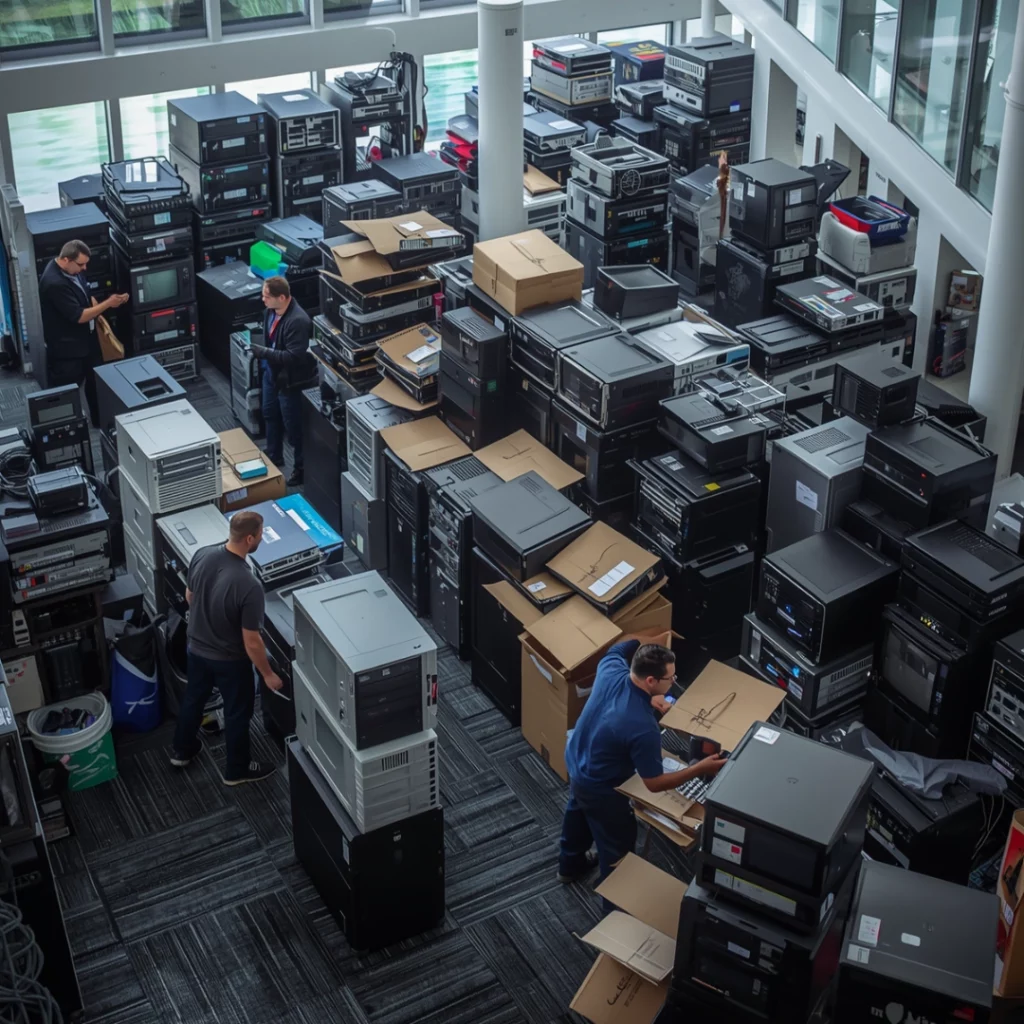
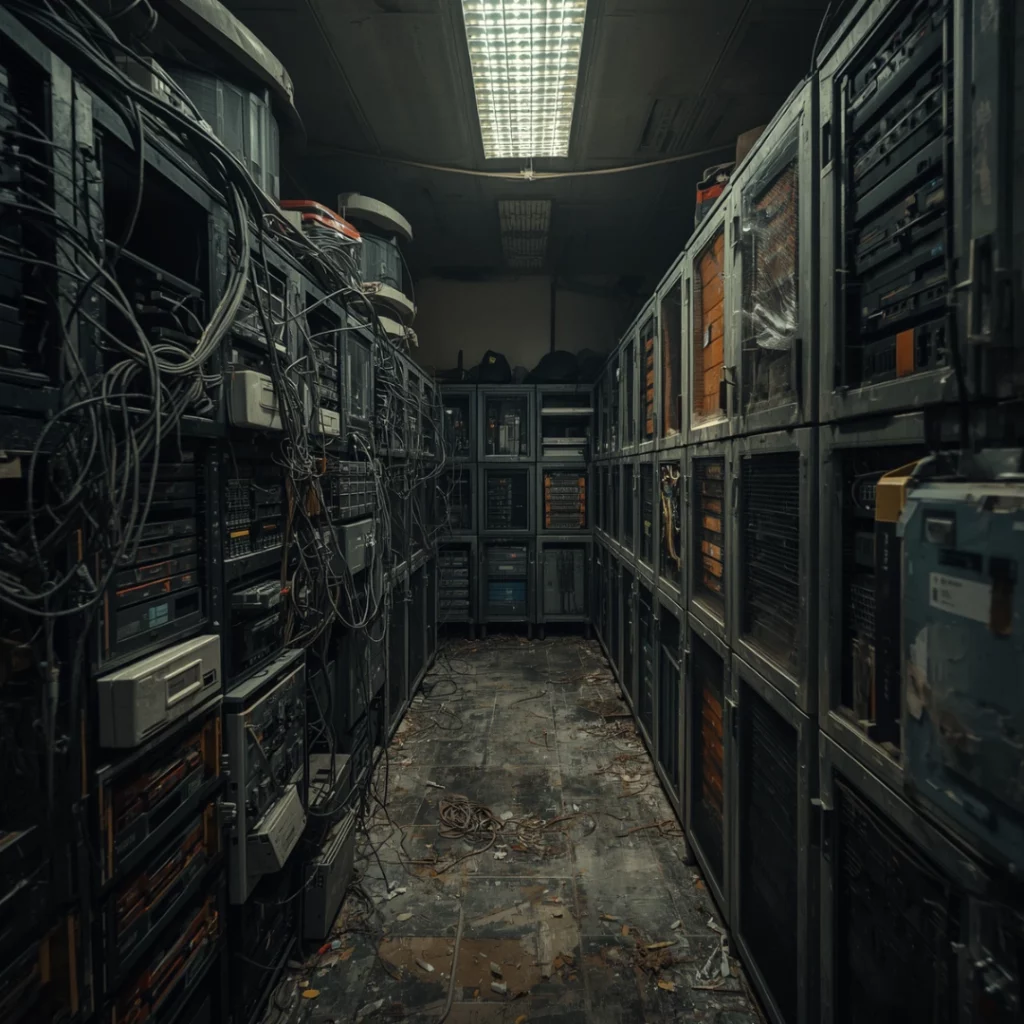
Failing to properly dispose of IT equipment can lead to serious consequences.
Even a single overlooked hard drive can expose:
According to IBM Security:
Improper disposal falls directly into this category.
Professional IT recycling services go beyond simple disposal.
They provide:
This ensures that your business is protected from both security risks and legal issues.
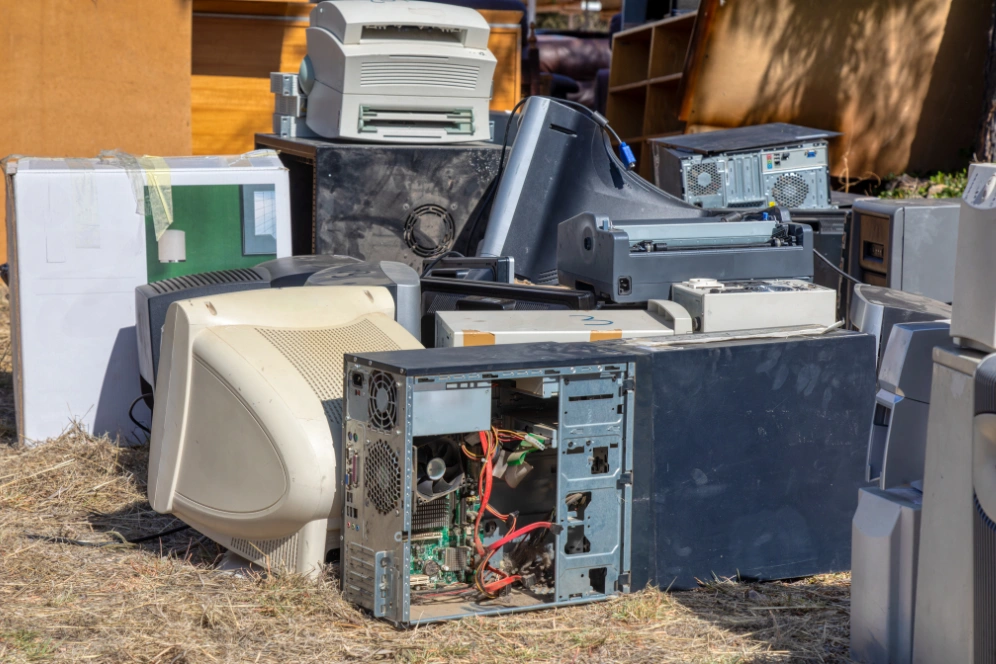
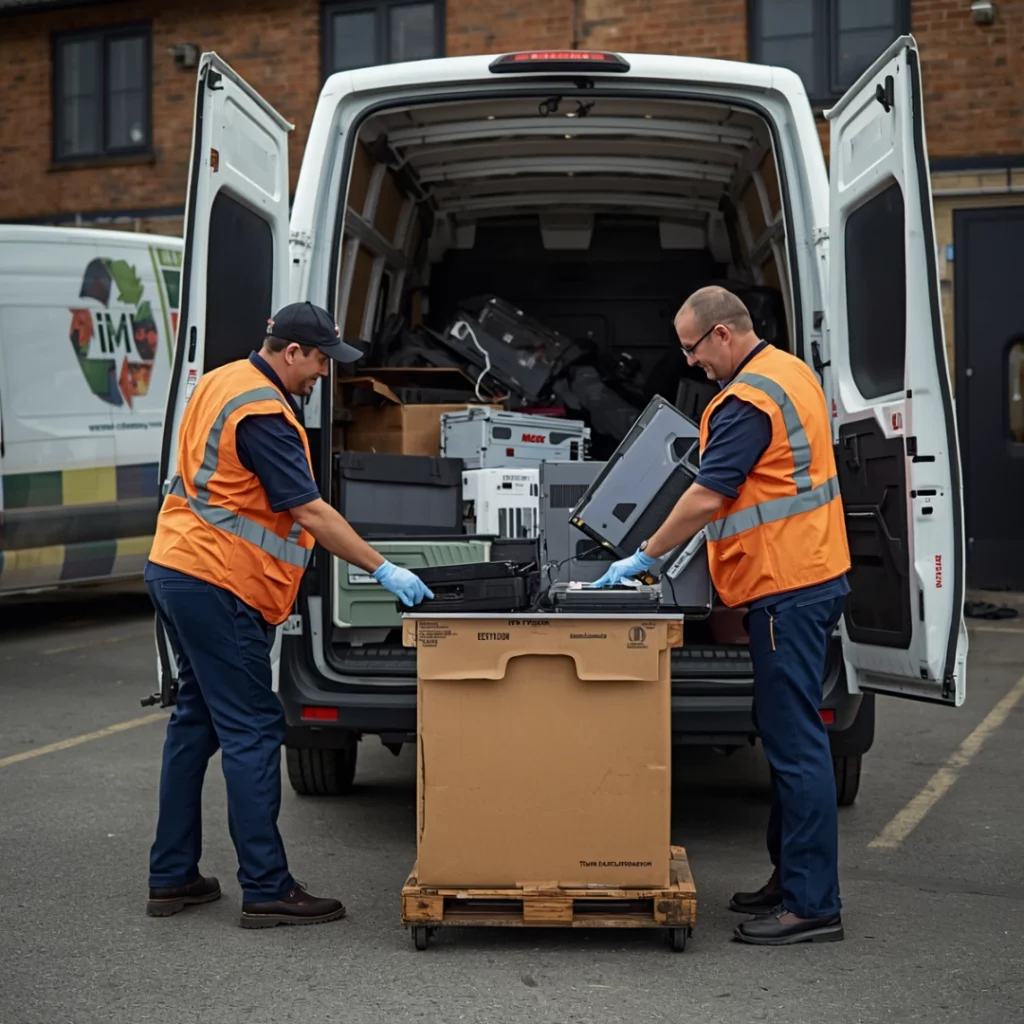
Choosing the right provider is crucial.
A reliable service should offer certified data destruction, clear documentation, and full compliance with UK regulations. Transparency is key, as businesses need proof that data has been securely destroyed.
Experience in handling different types of IT equipment is also important, as it ensures that all devices are processed correctly.
Secure IT recycling isn’t just about data—it’s also about sustainability.
According to the Global E-waste Monitor:
By recycling IT equipment responsibly, businesses can reduce waste and contribute to a circular economy.
As technology evolves, so do the risks associated with data security.
With stricter regulations and increasing cyber threats, businesses will need to adopt more advanced data destruction practices.
Demand for data destruction Leeds services is expected to grow as organisations prioritise compliance and security.
Secure IT recycling is no longer optional—it’s essential.
In a world where data breaches can cost millions and damage reputations, businesses must take IT disposal seriously. Simply deleting files is not enough. Proper data destruction requires certified processes, professional handling, and full compliance with regulations.
If you’re looking for secure IT recycling Leeds, focus on security, transparency, and expertise. By choosing the right approach, you can protect your business, your customers, and your reputation.
Secure IT recycling involves safely disposing of old IT equipment while ensuring all sensitive data is permanently destroyed. For businesses in Leeds, this is essential to prevent data breaches, comply with regulations, and protect confidential information.
The safest method depends on your needs. Physical destruction, such as shredding hard drives, ensures data cannot be recovered. Certified data wiping is also secure when done using approved software standards for data destruction Leeds.
Yes, in many cases deleted files can still be recovered if proper data destruction methods are not used. This is why professional services are critical for complete data security.
Yes. Under regulations enforced by the Information Commissioner’s Office, businesses must ensure that personal and sensitive data is securely destroyed when disposing of IT equipment.
Costs vary depending on the number of devices, type of equipment, and destruction method. However, investing in secure recycling is far cheaper than the potential financial impact of a data breach.
After secure data destruction, equipment is either refurbished for reuse or broken down into recyclable materials, helping reduce environmental impact.
Yes, reputable providers issue a certificate of destruction, which confirms that your data has been securely and permanently erased.
Most IT equipment can be recycled, including laptops, desktops, servers, hard drives, and other electronic storage devices.
This depends on your upgrade cycle, but many businesses replace IT equipment every 3–5 years. Regular recycling ensures security and compliance.
You should look for certified processes, compliance with UK regulations, transparent documentation, and experience in handling secure IT recycling Leeds services.