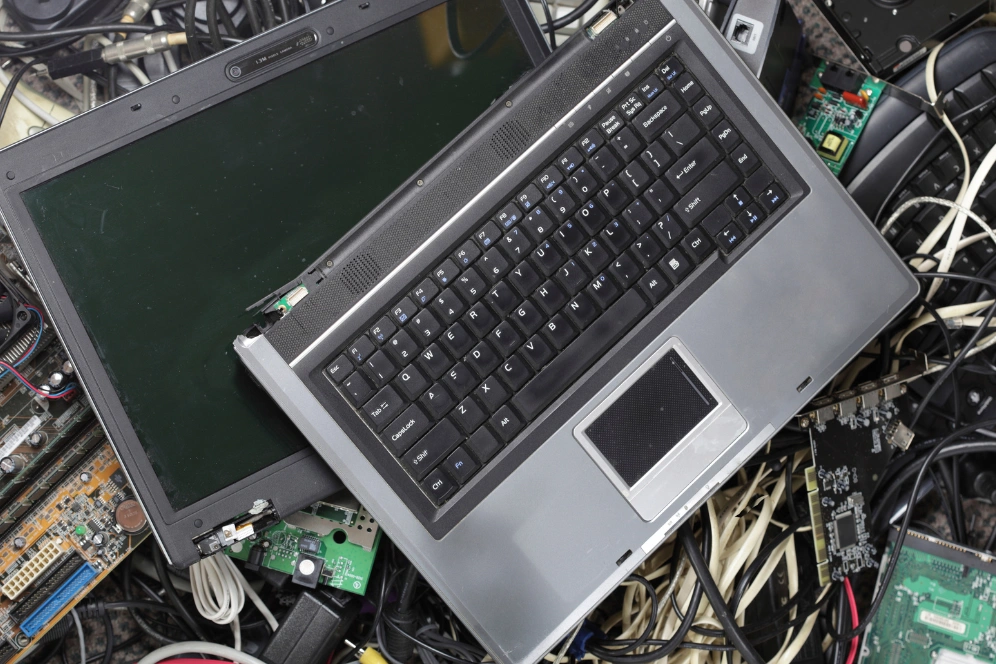
Every year, thousands of computers across Leeds reach the end of their working life. Desktops, laptops, servers, and monitors are replaced as businesses upgrade systems and households adopt newer technology. Yet many people underestimate the risks of disposing of these devices incorrectly. Old computers often contain sensitive data and hazardous materials that can harm both organisations and the environment if not handled responsibly.
That is why the demand to recycle old computers in Leeds safely has grown rapidly. Certified recycling centres follow strict legal, environmental, and data security standards, ensuring that redundant IT equipment is processed in a way that protects people, businesses, and the planet. In this blog, we explain exactly how a professional computer recycling center in Leeds operates, backed by real industry data and trusted sources.
Electronic waste is the fastest-growing waste stream in the world. According to the Global E-waste Monitor 2024, the world generated over 62 million tonnes of e-waste in 2022, with projections reaching 82 million tonnes by 2030.
In the UK, figures from the Department for Environment, Food & Rural Affairs show that more than 1.6 million tonnes of e-waste are generated each year. Computers make up a significant proportion of this volume due to frequent upgrades in offices, schools, and public sector organisations.
Without certified processes to recycle old computers in Leeds, much of this waste risks ending up in landfill or being exported illegally.
Computers contain substances such as:
The World Health Organization reports that exposure to improperly handled e-waste can lead to neurological damage, respiratory illness, and long-term environmental contamination. This is why certified recycling is not optional—it is essential.
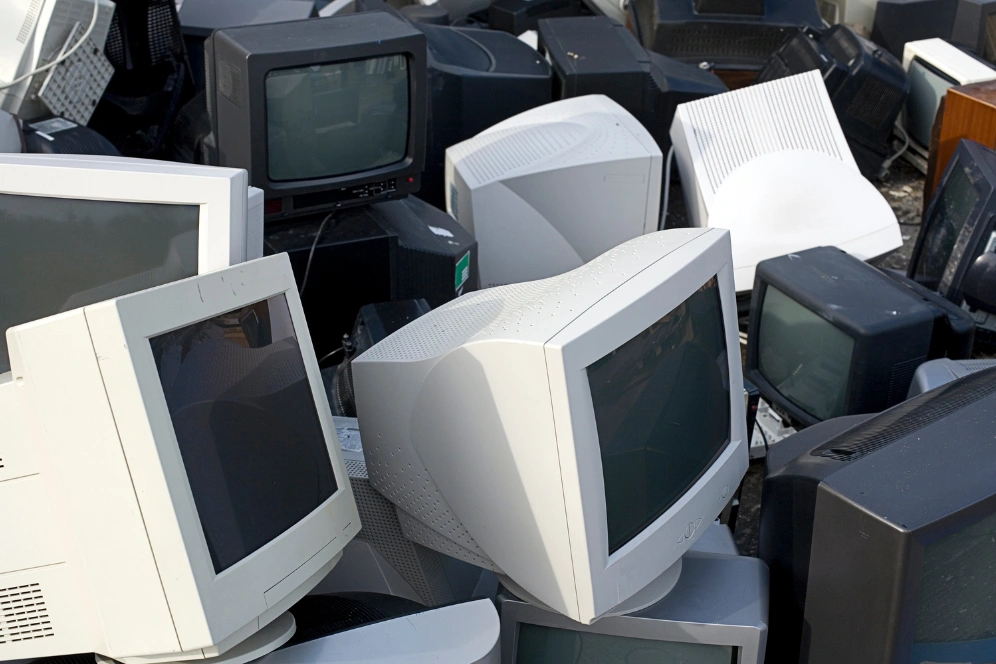
A certified computer recycling center Leeds operates under strict UK regulations, including:
These are enforced by the Environment Agency, ensuring waste is processed legally and safely.
Failure to comply can result in fines, prosecution, and reputational damage for organisations disposing of IT equipment incorrectly.
Under UK GDPR and the Data Protection Act 2018, organisations remain responsible for personal and business data even after devices are disposed of.
The Information Commissioner’s Office confirms that data must be destroyed securely and irreversibly. Simply deleting files or formatting a hard drive is not sufficient.
Certified centres combine recycling with approved data destruction methods to ensure full compliance.
The process begins with controlled collection. Professional recyclers log each device and track it throughout the recycling journey.
Industry best practice shows that full asset tracking can reduce loss and theft risks by over 80%, according to WRAP estimates.
This chain of custody is critical when businesses recycle old computers Leeds-wide.
Before any physical recycling occurs, data is dealt with securely.
Certified centres use recognised standards such as:
Blancco’s Data Sanitization Report reveals that over 35% of used hard drives sold on secondary markets still contain recoverable data. Certified erasure or physical destruction reduces this risk by 99.9%.
This step alone makes using a certified computer recycling center Leeds essential for cybersecurity.
Not all old computers are a waste.
According to the Waste and Resources Action Programme, extending the life of electronic equipment by just one year can reduce its carbon footprint by 20–30%.
Certified centres assess whether devices can be:
This reuse-first approach aligns with circular economy principles and reduces demand for raw materials.
Devices that cannot be reused are dismantled into components:
Advanced separation techniques allow recyclers to recover up to 95% of materials from desktop computers and laptops, according to Environment Agency data.
This makes recycling old computers in Leeds far more resource-efficient than landfill disposal.
Recovered materials are sent to approved downstream processors:
The Global E-waste Monitor estimates that e-waste contains recoverable materials worth over USD 62 billion globally each year. Certified centres ensure these resources stay in circulation rather than being wasted.
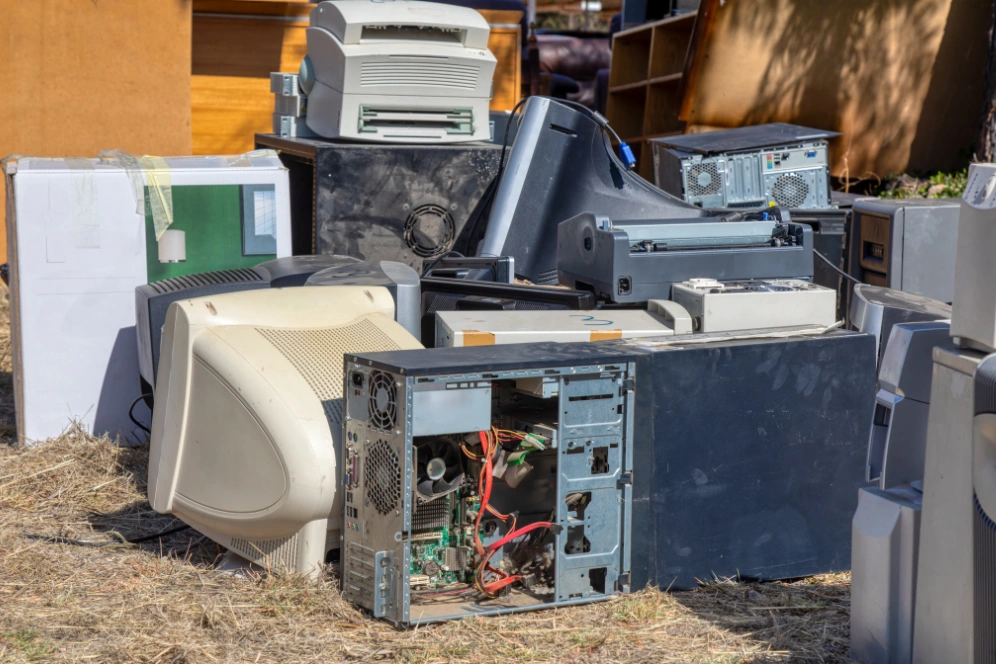
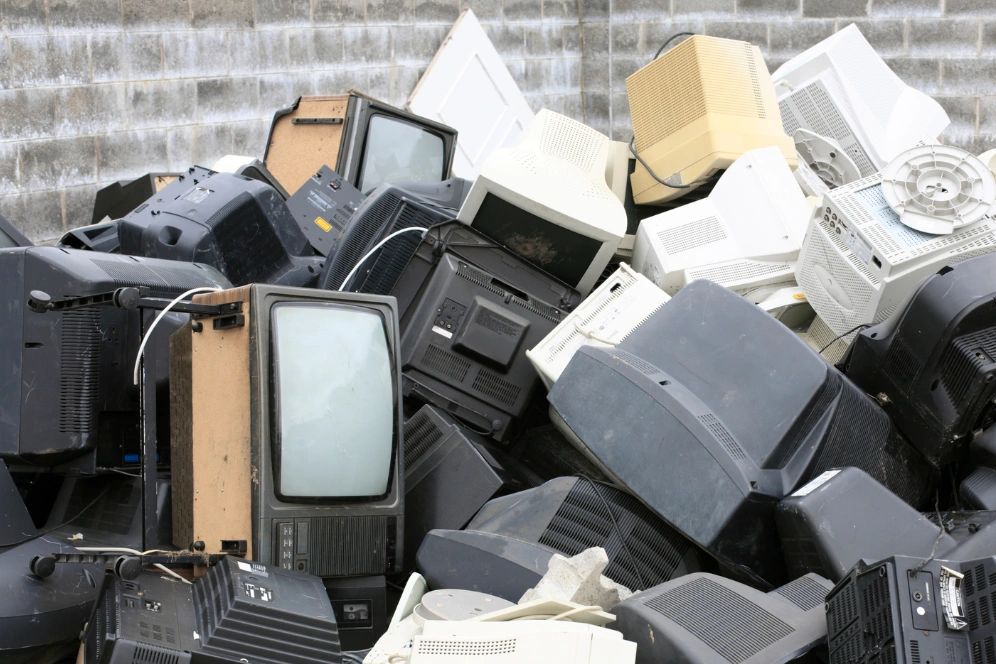
IBM’s Cost of a Data Breach Report 2023 shows that the average UK data breach costs £3.4 million. Lost or improperly disposed devices are a major contributor.
Using a certified computer recycling center Leeds dramatically reduces this risk by ensuring data is destroyed beyond recovery.
The UK National Cyber Security Centre reports that over 20% of security incidents involve accidental data exposure or insider error. Professional recycling removes this risk by outsourcing disposal to controlled, audited environments.
WRAP research shows that organisations with strong recycling and data management policies reduce compliance and incident-related costs by 15–25% annually.
Recycling old computers in Leeds responsibly is therefore not just an environmental decision—it is a financial one.
The UK circular economy sector employs over 500,000 people, according to DEFRA. Choosing local certified recyclers helps support skilled jobs and sustainable growth in Leeds and West Yorkshire.
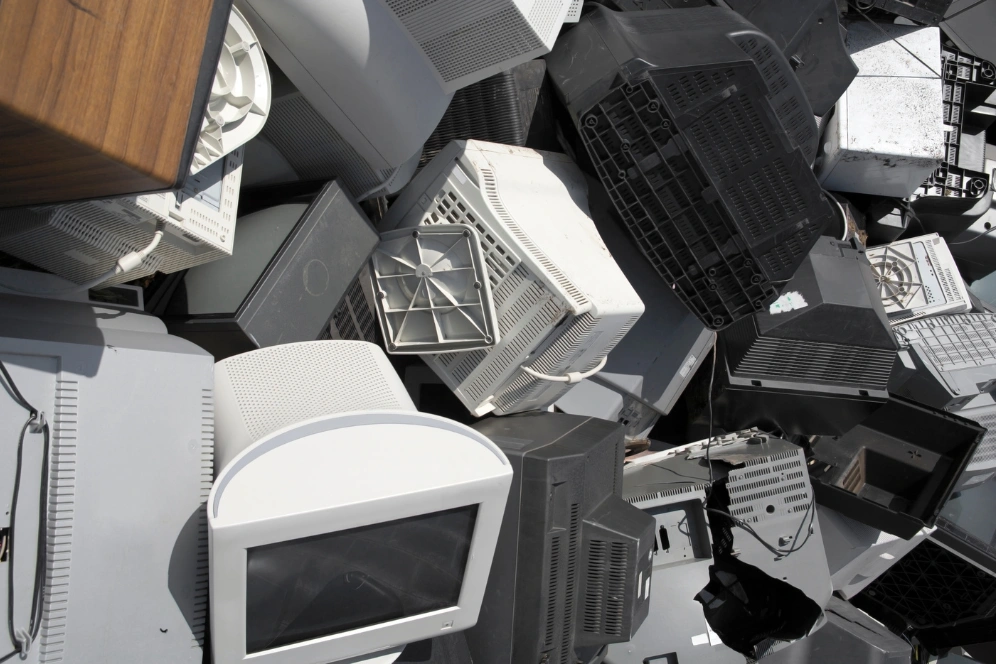
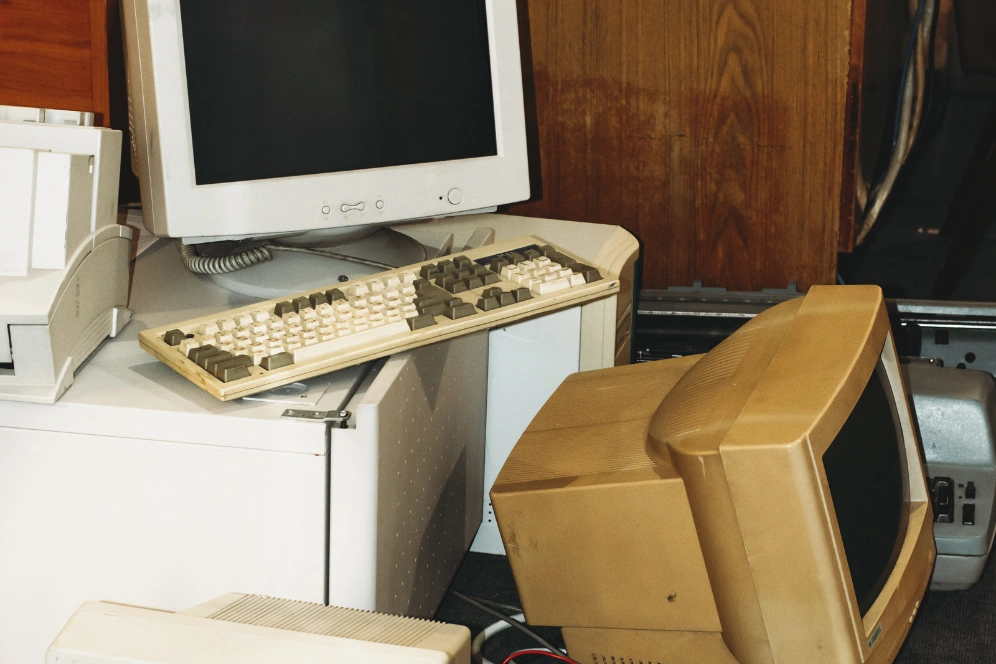
As a Leeds-based recycling specialist, T&M Reuse Yorkshire Limited operates within these certified frameworks to ensure:
Working with a local computer recycling center Leeds improves accountability and service reliability for businesses across the region.
False. Data recovery software can restore deleted files unless certified erasure is used.
Short-term savings often lead to fines and long-term environmental costs. Landfill capacity in the UK has fallen by over 35% since 2010.
In reality, recycling old computers Leeds-wide also protects data, ensures legal compliance, and reduces financial risk.