
Old computers often sit quietly in offices, storerooms, or warehouses once they are no longer needed. For many businesses, they are seen as low priority compared to day-to-day operations. In reality, outdated computers can expose organisations to serious data protection, legal, and environmental risks. For companies searching for secure computer disposal Leeds, the key question is not if secure disposal is required, but when it becomes essential.
Industry research shows that electronic waste and data security risks are increasing at the same time. According to the Global E-waste Monitor, the UK generates over 1.6 million tonnes of electronic waste every year, making it one of the highest e-waste producers per person globally. Despite this, less than 31% of UK e-waste is formally recycled, meaning large volumes of discarded IT equipment remain untracked and often unmanaged. Many of these devices still contain recoverable data.
This blog explains the key situations when businesses should use a secure computer disposal service, why the risks are growing, and how working with experienced computer disposal experts Leeds protects both compliance and reputation.
Laptops are replaced more frequently than ever. Faster upgrade cycles, remote working, and security updates mean businesses often refresh devices every three to five years. This creates a growing stock of unwanted laptops that still contain valuable components and, more importantly, sensitive data.
According to the Global E-waste Monitor, the UK generates over 1.6 million tonnes of electronic waste each year, ranking among the highest e-waste producers per person globally. Despite this, less than 31 percent of UK electronic waste is formally recycled, leaving millions of devices either stored indefinitely or disposed of through informal routes.
Old laptops are a significant part of this problem. When sold through secondary markets without proper controls, they can contribute to both environmental harm and data breaches.
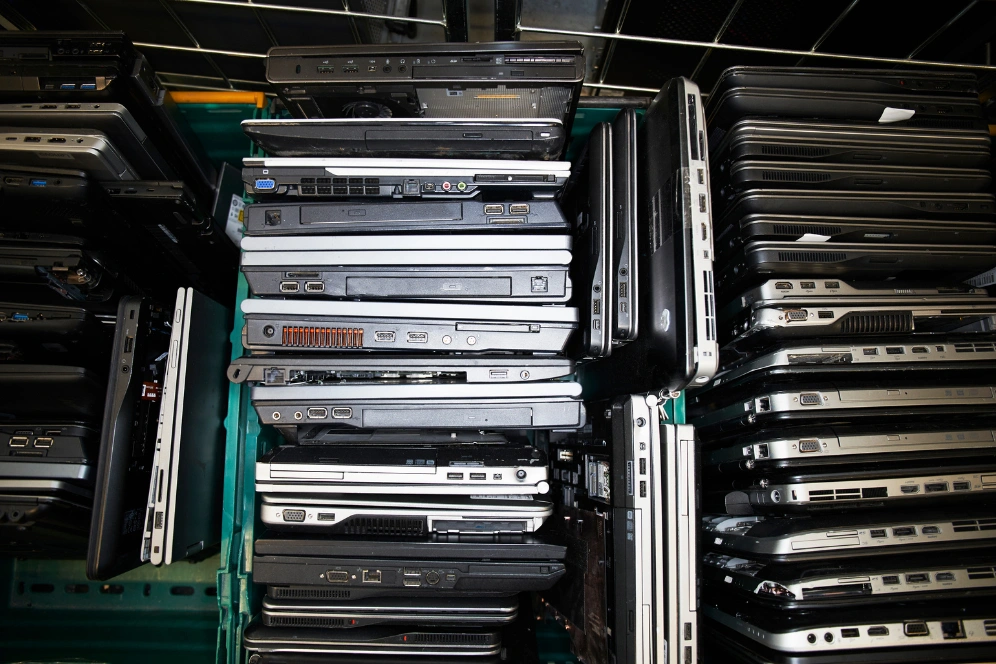
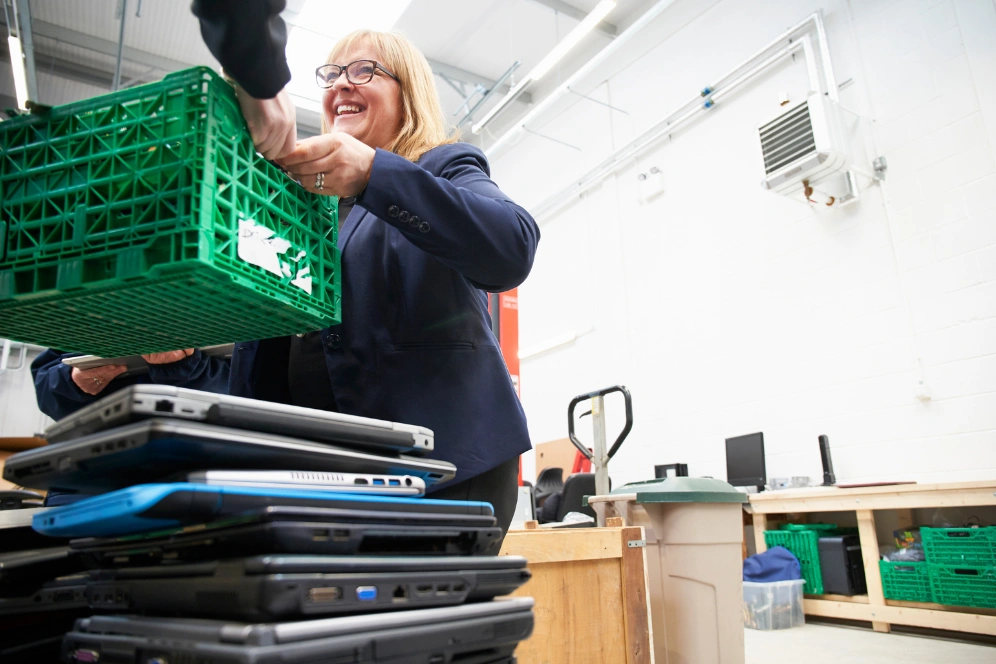
One of the biggest reasons recycling is better than selling is data security. Even when laptops appear to be wiped, data can often be recovered using readily available software.
Research analysing second-hand laptops and hard drives sold online has consistently shown that a large proportion still contain recoverable data, including emails, documents, login credentials, and personal information. This data exposure is not limited to large organisations; small businesses and individuals are equally at risk.
The Information Commissioner’s Office makes it clear that organisations remain responsible for personal data until it is permanently destroyed. Selling laptops without verified data destruction can therefore expose businesses to serious compliance issues under UK GDPR.
Recycling through a professional provider ensures that data-bearing components are securely wiped or physically destroyed, removing the risk of future recovery.
A common misconception is that once a laptop is sold, responsibility transfers entirely to the buyer. In reality, this is not always the case.
Under UK data protection law, organisations must take appropriate steps to ensure personal data is securely destroyed. If data later emerges from a sold laptop and it can be traced back to the original owner, regulatory action may still follow. The ICO has issued enforcement actions where data breaches occurred due to improper disposal practices, even when third parties were involved.
From an environmental perspective, laptops are classified as regulated electronic waste. The WEEE Regulations require electronic equipment to be handled through approved recycling routes. Selling laptops through informal channels offers no guarantee that they will be treated in line with these regulations.
Choosing to recycle old laptops Leeds through a compliant provider ensures both data protection and environmental obligations are met.
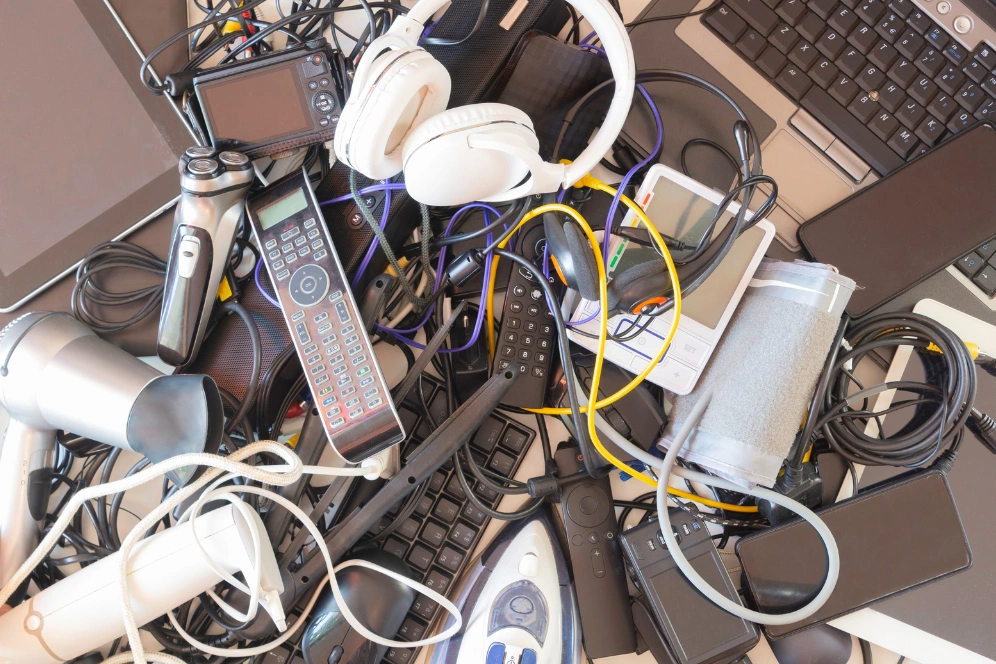
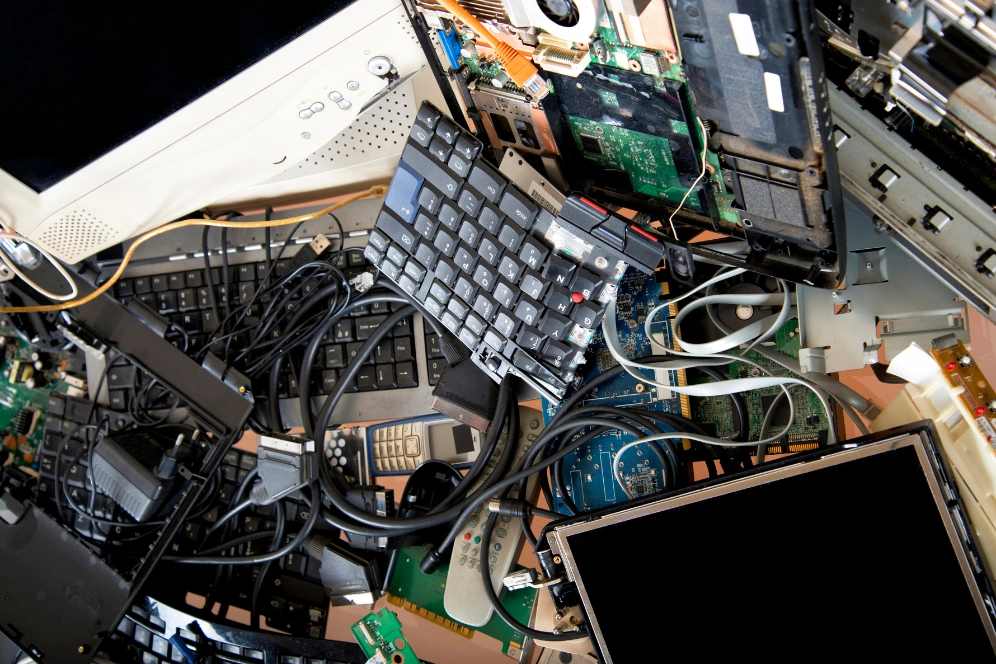
Selling old laptops often leads to devices being exported, dismantled informally, or discarded once resale value drops. This contributes to pollution and resource loss.
The Global E-waste Monitor reports that electronic waste contains valuable materials worth over £50 billion globally each year, including copper, aluminium, gold, and rare earth metals. When laptops are recycled properly, these materials can be recovered and reused, reducing the need for new mining and lowering carbon emissions.
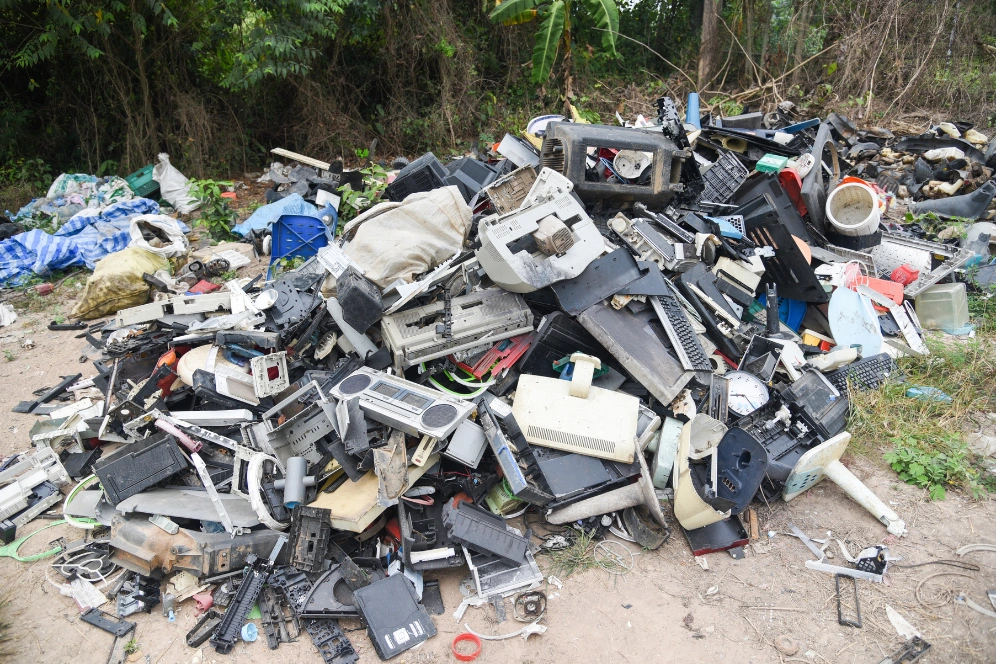
In contrast, poorly managed resale and export routes frequently result in laptops ending up in landfill or informal recycling operations, where hazardous substances such as lead, mercury, and brominated flame retardants can harm both people and the environment.
Recycling supports the circular economy, extending the value of materials while minimising environmental damage.
Selling old laptops can be unpredictable. Device values fluctuate, buyers may reject equipment, and there is often no visibility over what happens after the sale. This uncertainty increases risk, particularly for businesses.
Recycling offers a controlled, documented process. Professional recycling providers track devices from collection through to data destruction and material recovery. This traceability is especially important for organisations that must demonstrate compliance during audits or procurement reviews.
For many businesses, the certainty of compliant recycling outweighs the limited and inconsistent financial return from resale.
Many organisations assume recycling will be costly, but this is not always the case. Free laptop disposal Leeds services are increasingly available through compliant recycling providers, particularly for bulk collections or business equipment.
These services typically include collection, secure data destruction, and environmentally responsible recycling. While resale may appear to offer short-term income, free disposal eliminates hidden costs such as storage, transport, administration, and compliance risk.
When these factors are considered, recycling often delivers greater overall value.
Data breaches and environmental negligence can cause long-term reputational damage. Customers, partners, and regulators expect organisations to handle IT equipment responsibly.
Industry research on data breaches shows that the average cost of a data breach runs into millions once fines, remediation, and reputational damage are considered. Even a single incident linked to a sold laptop can undermine trust built over years.
Recycling old laptops through a secure, compliant process demonstrates responsible governance and commitment to sustainability.

There are limited scenarios where resale may be appropriate, such as certified refurbishment programmes with verified data destruction and clear audit trails. However, these routes still require careful due diligence and ongoing oversight.
For most organisations and individuals, recycling provides a simpler, safer, and more compliant solution.
For those looking to recycle old laptops Leeds, recycling offers clear advantages over selling. It protects sensitive data, ensures compliance with UK regulations, reduces environmental impact, and removes uncertainty.
With electronic waste continuing to rise and enforcement around data protection becoming stricter, recycling is no longer just an ethical choice. It is a practical and risk-aware decision.
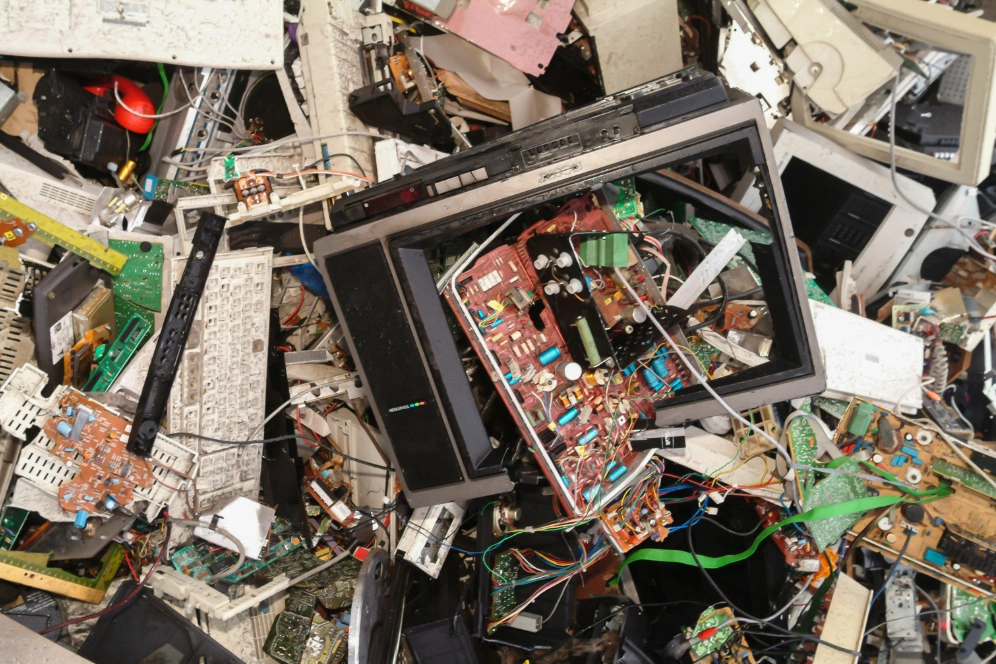
Selling old laptops may seem appealing, but the risks often outweigh the benefits. From data security and legal responsibility to environmental harm and reputational exposure, resale introduces uncertainty that many businesses and individuals cannot afford.
Recycling, especially through free laptop disposal Leeds, provides a secure, compliant, and environmentally responsible alternative. By choosing recycling over resale, you protect data, support sustainability, and contribute to a safer digital and environmental future.
This blog is informed by data and guidance from the following trusted sources:
Recycling is safer because it ensures all data is securely destroyed before the laptop is processed. Research into second-hand devices has shown that many sold laptops still contain recoverable data. Guidance from the Information Commissioner’s Office confirms organisations remain responsible for personal data until it is permanently destroyed.
Yes. Studies of used laptops and hard drives sold online have found that a significant percentage still contain emails, documents, and login details. Deleting files or resetting a device does not guarantee permanent data removal, which is why certified recycling is recommended.
Selling laptops is not illegal, but businesses must ensure all personal data is securely destroyed before sale. Under UK GDPR, failure to do so can result in enforcement action if data is later exposed.
UK businesses increasingly recycle because it reduces data risk, ensures compliance, and removes uncertainty about where devices end up. Recycling also meets environmental obligations under the WEEE Regulations.
According to the Global E-waste Monitor, the UK generates over 1.6 million tonnes of electronic waste each year and ranks among the highest e-waste producers per person globally. Less than one-third is formally recycled.
Yes. Many compliant recyclers offer free laptop disposal Leeds, especially for business equipment or bulk collections. These services typically include collection, secure data destruction, and responsible recycling.
Laptops are assessed for reuse, refurbished where possible, or dismantled for material recovery. Data-bearing components are securely wiped or physically destroyed, and valuable materials such as metals are recovered for reuse.
Recycling prevents laptops from ending up in landfill or informal recycling operations. Global data shows electronic waste contains valuable materials worth over £50 billion annually, which can be recovered through proper recycling rather than lost through poor disposal practices.
Yes. UK data protection law applies to organisations of all sizes. Small businesses often face greater impact from data breaches because fines, legal costs, and reputational damage can be harder to recover from.
Choosing to recycle old laptops Leeds supports local, compliant recycling services, reduces transport emissions, and ensures your devices are processed under UK regulations with proper documentation.