
If you’re responsible for IT equipment, procurement or facilities at a school in Leeds—or elsewhere in Yorkshire—then the topic of old laptop disposal in Leeds merits your attention now more than ever. Whether it’s end-of-life laptops, tablets or workstations that are no longer up to teaching demands, handling their disposal properly isn’t just a “nice to have.” It’s about safeguarding data, meeting regulatory obligations and protecting both your school’s reputation and budget.
When it comes to electronic-waste (e-waste), the numbers are striking. Globally, more than 62 million tonnes of e-waste were generated in 2022—and only around 22.3 % of it was documented as collected and recycled. In the UK, as one waste-industry source notes, the country is among the highest per-capita producers of e-waste. For schools with hundreds or thousands of laptops, the issue is magnified when equipment becomes obsolete.
Old laptops don’t just become “dead weight”—they often still hold sensitive information: student records, staff details, network credentials, shared drives. According to guidance on IT asset disposal, merely deleting files or re-formatting a device is not enough to guarantee data safety. Schools carry an especially high responsibility given GDPR, safeguarding, and the duty to protect pupils’ and staff data.
Schools are under increasing pressure—from governing bodies, parents and stakeholders—to act responsibly on both data security and environmental impact. A professionally handled process for old laptop disposal in Leeds shows you’re taking these responsibilities seriously—and can be a positive part of your school’s public reporting or sustainability strategy.
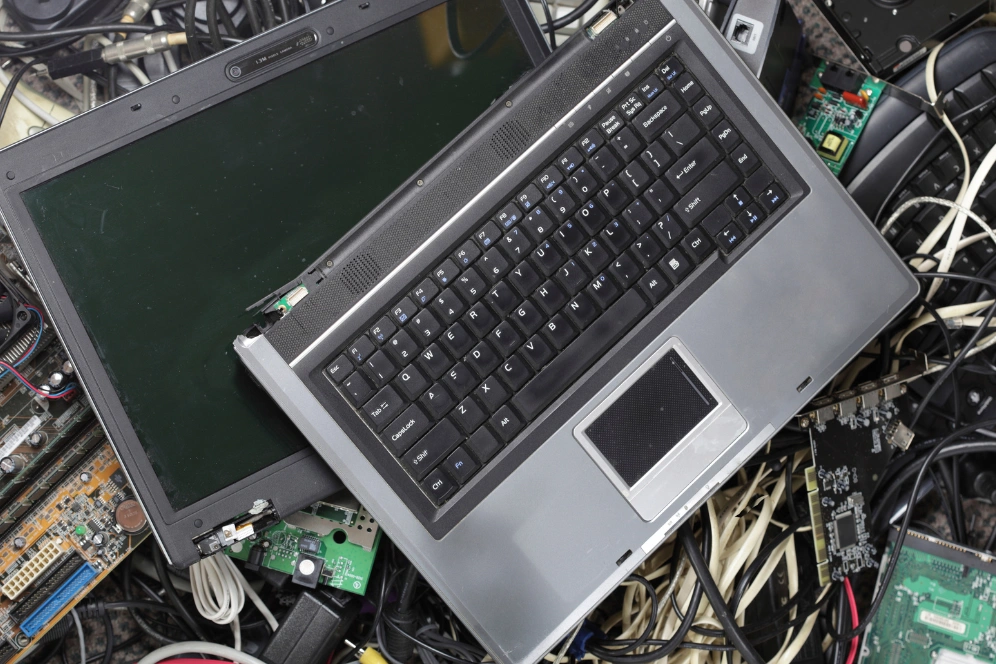
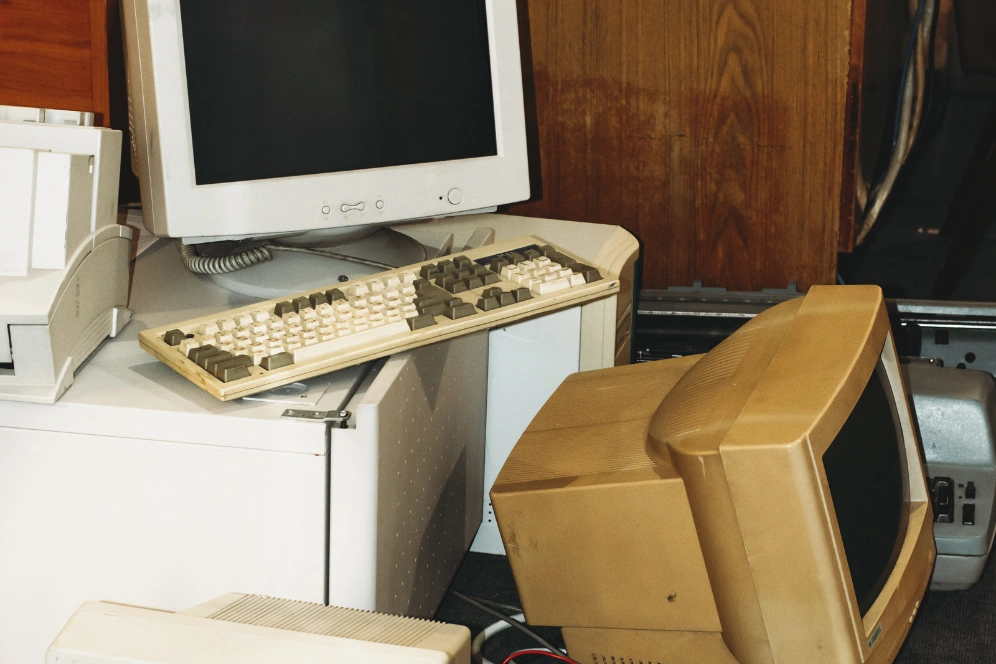
The WEEE Regulations cover the recovery, reuse, recycling and treatment of electrical and electronic equipment (EEE). Schools disposing of laptops must ensure they are handled via a compliant route under WEEE.
As an educational institution, you hold personal data. The disposal of IT equipment must ensure that data cannot be recovered or accessed after disposal. Guidance notes that secure erasure or physical destruction is required to meet data-protection obligations.
Schools must ensure that waste (including e-waste) is handled safely, stored appropriately, and disposed of via authorised carriers and treatment facilities. The duty of care means you must track where the items go
Before disposal, compile an inventory: how many laptops you have, their age, condition (working or non-working), location and ownership. Schools often refresh large numbers of devices in a single upgrade cycle—one sector provider notes that the average educational establishment replaces almost 500 end-user computers annually.
Divide devices into:
This is critical. Simply deleting or formatting a hard drive is insufficient. Certified processes include degaussing, repeated overwrites or physical destruction. For schools especially, ensuring no data is recoverable is non-negotiable, given safeguarding responsibilities.
When disposing of laptops, ensure your partner is licensed under WEEE, provides audit trails/certificates, and is fully registered as a waste carrier. Guidance emphasises that using an authorised route is essential. Institutions should keep proof of collection and treatment.
Maintain records of devices disposed of, data destruction certificates, weight or number of devices recycled and the final destination. This supports compliance, protects your school in audit and contributes to your sustainability reporting.
Ensure staff understand the policy for disposing of old laptops (e.g., who in school signs off, how devices are labelled, how data is secured). Schools should integrate disposal into their asset-management lifecycle rather than treating it as an afterthought. Best-practice frameworks emphasise defining roles and triggers for disposal.
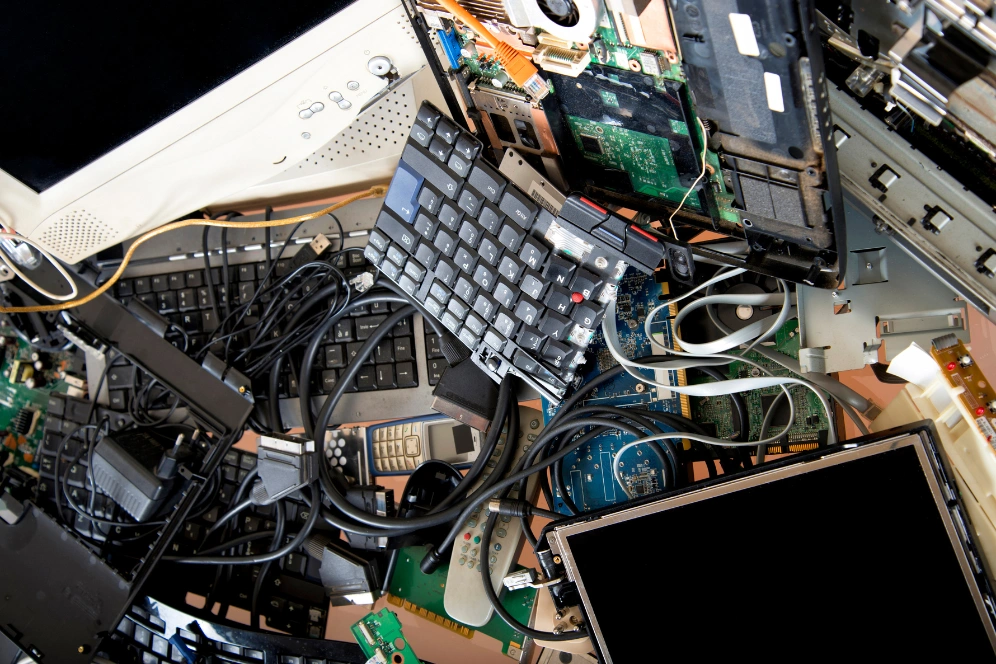

By choosing a structured process for old laptop disposal Leeds, your school reduces exposure to data-leak risks, which can damage reputation and incur regulatory sanction.
Proper disposal reduces e-waste, recovers reusable value and supports sustainability goals. The UK IT/e-waste sector notes that less than a third of e-waste is recycled fully. Schools can be part of the solution.
Also, managing IT disposal as part of your asset-lifecycle reduces storage, maintenance and legacy-asset overheads.
If your school seeks funding, works with trusts or bids for programmes, having a clear disposal policy and certificate trail for old laptops demonstrates good governance and may strengthen your case when applying for grants or collaborating with partners.
Treating old devices like general waste ignores WEEE and data-protection laws.
Files may still be recoverable unless certified wiping or destruction is used.
If a company isn’t licensed or doesn’t provide audit certificates, the school remains liable.
When disposing of laptops, ensure your partner is licensed under WEEE, provides audit trails/certificates, and is fully registered as a waste carrier. Guidance emphasises that using an authorised route is essential. Institutions should keep proof of collection and treatment.
Many laptops contain lithium-ion batteries and other components that require special handling.
For schools in Leeds and across Yorkshire, managing the disposal of old laptops is more than a simple “tick-box” exercise. It touches on data security, regulatory compliance, environmental responsibility and operational efficiency. A well-defined process for old laptop disposal Leeds, grounded in best practice, ensures your institution is protected, proactive and environmentally mindful.
If your school has a batch of laptops ready for disposal—or you don’t yet have a formal process—it’s time to act. A secure, compliant, well-documented disposal strategy pays off across multiple fronts: safeguarding data, demonstrating responsible governance and contributing to a more sustainable future.
Schools handle sensitive student and staff data, so proper old laptop disposal Leeds ensures this information is securely wiped before devices are recycled. It also helps schools stay compliant with WEEE and GDPR regulations while reducing environmental impact.
To safely dispose of old laptop equipment, schools should partner with a certified WEEE recycling provider. This ensures secure data destruction, responsible environmental treatment and full documentation such as data-wipe certificates and waste-transfer notes.
Yes — if laptops are still functional, they can often be refurbished, reused within the school or even donated to community initiatives. However, data must be professionally erased before any reuse or donation to comply with UK GDPR.
Absolutely. Schools must obtain a Waste Transfer Note, along with a Data Destruction Certificate when recycling laptops. These documents prove the devices were handled responsibly and in line with UK legislation.
Once collected, laptops are assessed, data-wiped and then either refurbished or broken down into components. Metals, plastics and circuitry are recovered and reused in manufacturing—helping reduce the UK’s growing e-waste problem.
No. Simply deleting files or resetting a laptop does not permanently remove data. Professional data-erasure or physical drive destruction is required to keep school data secure.
Most Leeds schools review their technology disposal policy annually, especially those with regular IT refresh cycles. This ensures compliance, proper data handling and accurate asset tracking.
Yes. Recycling laptops prevents toxic components from entering landfill, reduces CO₂ emissions and supports the circular economy. It also helps Leeds schools show commitment to sustainability.
Improper disposal can lead to data breaches, GDPR violations, environmental penalties and reputational damage. Using uncertified disposal routes also leaves schools legally responsible for what happens to the devices.
Start by auditing all old devices, choosing a certified recycling partner, ensuring secure data destruction and keeping proper documentation. Clear internal policies help staff follow the correct process every time.